
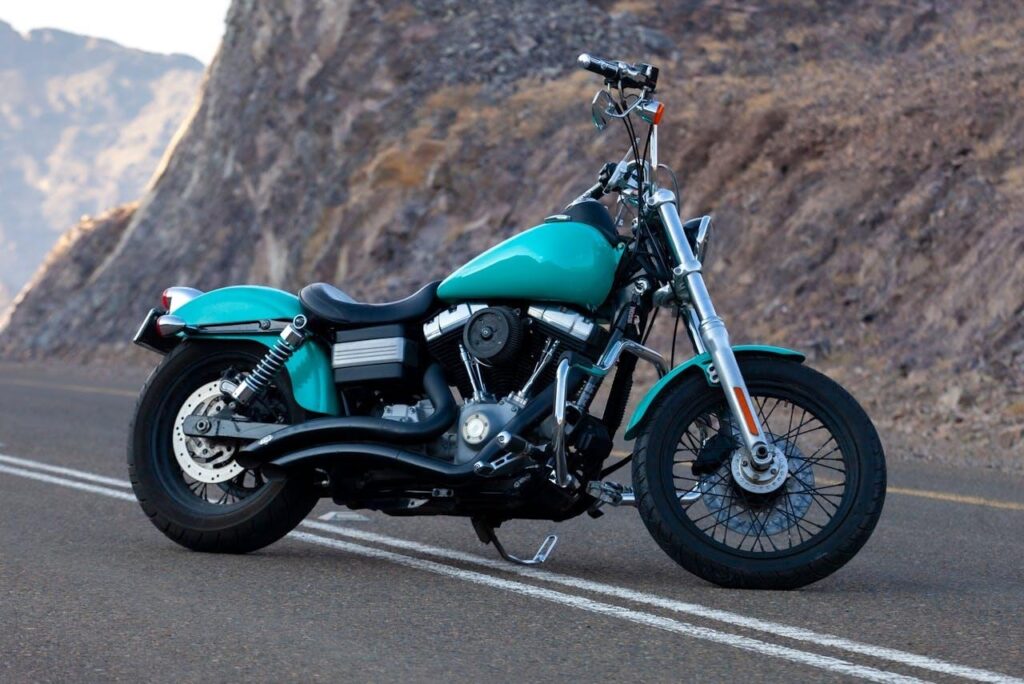
Buying a bike feels incredible. The wind in your face, the open road ahead, and the sheer thrill of the ride are unmatched. But before you get swept up in the excitement, you need to pause and look at the numbers. The sticker price on that shiny new motorcycle is rarely what you actually end up paying.
If you finance the purchase, the final tally involves much more than just the monthly payment. Getting a clear picture of the true cost saves you from unpleasant surprises down the road and ensures your dream ride doesn’t turn into a financial burden.
Upfront Expenses
The first costs you encounter happen before you even leave the dealership lot. While the advertised price gets all the attention, several other charges tack on immediately. Sales tax is often significant, and depending on your state, it can add hundreds or thousands to the bill.
Then come the title and registration fees required to make the bike legally yours. Some dealerships also charge documentation or setup fees for preparing the motorcycle. These expenses are often rolled into the loan, meaning you pay interest on them over time, which increases the total amount you pay back.
Interest Rates and Their Long-Term Impact
Interest is the price you pay for borrowing money, and it accumulates quickly. A lower interest rate saves you a substantial amount over the life of a loan. Your credit score, the loan term, and the lender you choose all influence this rate.
To see exactly how much interest you will pay over the full term, try using a motorcycle loan calculator. This tool helps you visualize how different rates affect your monthly payments and total interest paid. Inputting different scenarios lets you see the massive difference a few percentage points can make.
Fees and Hidden Costs
Lenders sometimes include fees that aren’t obvious at first glance. Origination fees, for instance, are charged simply for processing the loan application. Late payment penalties are another factor to consider, if you miss a due date, the cost adds up fast.
Some agreements even have prepayment penalties, which charge you extra for paying off the loan early. Reading the fine print on your loan agreement is crucial. Knowing these potential charges helps you avoid them or factor them into your overall budget.
Insurance
Motorcycle insurance is mandatory in most places, and premiums vary wildly based on your age, driving history, location, and the type of bike you ride. Sportbikes generally cost more to insure than cruisers due to higher accident rates.
If you financed the bike, the lender will likely require you to carry full coverage rather than just liability. This comprehensive coverage protects their investment but significantly raises your monthly costs. Getting quotes before you buy the bike gives you a realistic idea of this ongoing expense.
Fuel and Maintenance
Your financial commitment doesn’t end once the loan is signed. Motorcycles require regular upkeep to run safely and efficiently. Oil changes, tire replacements, chain adjustments, and brake pads are routine expenses that happen more frequently than you might expect, especially if you ride often.
High-performance tires, for example, wear out quickly and are not cheap to replace. Fuel efficiency is generally better on a bike than a car, but premium fuel costs add up if you use your motorcycle for daily commuting.