
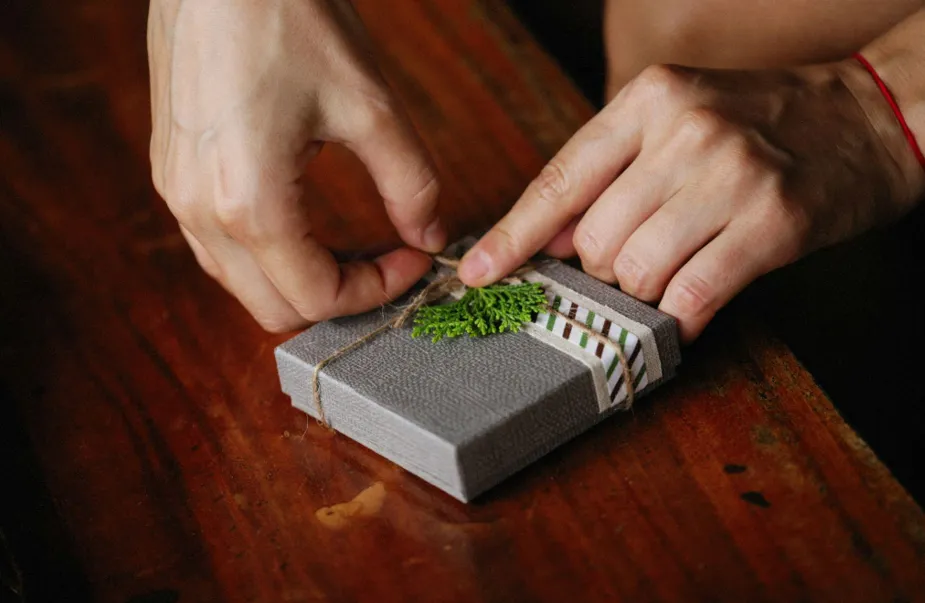
Photo by Alexey Demidov on Unsplash
The crafting world is entering a new era where creativity meets sustainability in ways that feel both exciting and accessible. Makers today are looking beyond traditional plastics and heavy-duty synthetics, choosing materials that align with their values without compromising on performance. Bioplastics, in particular, are becoming a go-to choice for crafters who want strength, flexibility, and eco-conscious design. Many creatives learn about these modern materials through resources from brands like PLA Pro, which help explain how plant-derived products fit into everyday crafting. As this movement grows, bioplastics are reshaping not just what people create, but how they think about crafting as a whole.
Why Makers Are Embracing Sustainable Materials
Crafters have always been resourceful, mixing materials, repurposing scraps, and experimenting with textures. But in recent years, a deeper awareness of environmental impact has influenced the way people purchase and use supplies. Instead of choosing convenience alone, they’re prioritizing sustainability, biodegradability, and ethically sourced materials. Bioplastics sit at the heart of this shift, offering a modern alternative that reduces reliance on petroleum-based plastics and supports more thoughtful crafting practices.
This change isn’t driven by guilt or pressure, it’s inspired by empowerment. Creators want materials that reflect their values and allow them to make beautiful things without contributing to long-term waste. Bioplastics offer the rare combination of practicality, performance, and purpose.
What Makes Bioplastics Different From Traditional Plastics
Bioplastics are materials derived from renewable, plant-based sources such as corn starch, sugarcane, cassava, bamboo fibers, or other natural starches. Their composition makes them less impactful on the environment, both in terms of production and end-of-life outcomes. Unlike conventional plastics, which can linger in landfills for centuries, many bioplastics break down faster or can be repurposed more easily.
This doesn’t mean sacrificing strength. Advances in material science have allowed bioplastics to mimic or even improve on the performance of common plastics used in crafting offering toughness, structural stability, and compatibility with tools like molds, cutters, heat guns, and crafting machinery.
For makers, the experience feels familiar yet better aligned with the rhythms of modern sustainability.
Why the Crafting Community Loves PLA
PLA polylactic acid is one of the most widely used bioplastics in the crafting world. Derived from fermented plant sugars, it is known for its smooth texture, versatility, and compatibility with numerous crafting methods. Whether used for precision tools, molds, figurines, accessories, or 3D-printed projects, PLA offers a durability that hobbyists appreciate while remaining gentler on the environment.
Its natural origins and lower carbon footprint make PLA stand out among eco-conscious creators. Many crafters appreciate that the material not only performs well but also supports a broader shift toward renewable, plant-derived resources. PLA has become a fixture in modern craft studios because it bridges the gap between environmental responsibility and artistic freedom.
The Science Behind Safer, More Comfortable Crafting
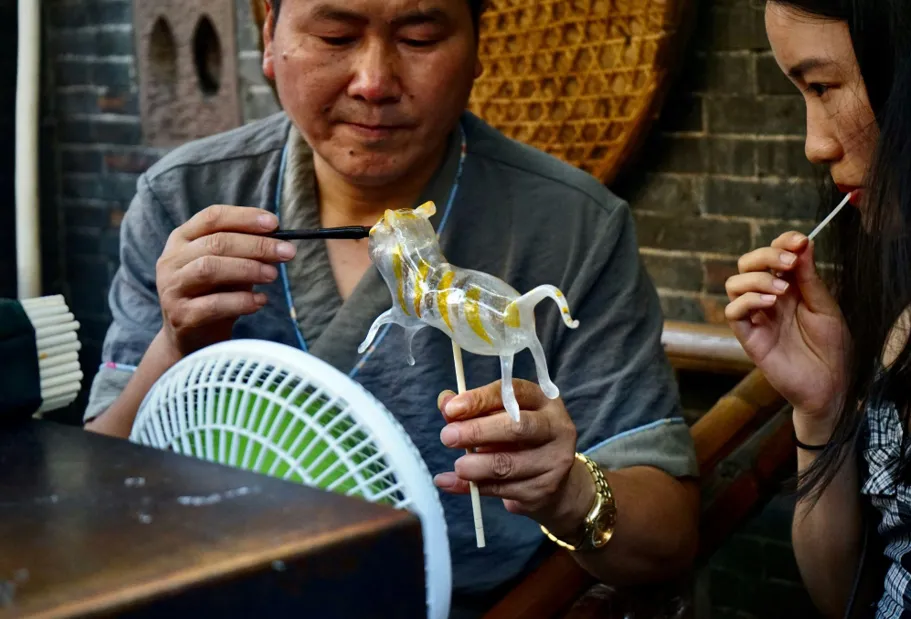
Photo by Andrea Sun on Unsplash
Bioplastic materials have another advantage: they tend to be gentler for people with ingredient or chemical sensitivities. Traditional plastics may release fumes when heated or processed, while many bioplastics, especially PLA, have lower emissions and fewer harsh additives. This makes crafting sessions more comfortable, especially for people who work in small spaces or spend long stretches of time refining details.
According to the U.S. Department of Energy’s Bioenergy Technologies Office, plant-based polymers produce fewer greenhouse gases during manufacturing and often involve safer chemical pathways compared with petroleum-based plastics. This scientific backing gives makers confidence that the materials they choose support both personal wellness and environmental protection.
How Bioplastics Are Enhancing Artistic Freedom
Bioplastics offer aesthetic benefits that go beyond sustainability. Their smooth texture, structural consistency, and ability to take on fine details make them ideal for intricate projects. Crafters who enjoy precision work miniatures, jewelry, decorative accents, home décor elements, or functional accessories find that bioplastics maintain crisp edges and clean surfaces that elevate their creations.
Because these materials can be shaped through heat, pressure, molding, or 3D printing, they unlock new styles of crafting that were once limited to industrial workshops. Makers who never imagined using advanced fabrication techniques can now do so comfortably at home.
Traditional crafts and emerging technologies are no longer separate worlds they are merging beautifully.
A More Mindful Crafting Mindset
The rise of bioplastics mirrors a cultural shift toward intentional living. People want their hobbies to feel aligned with their personal values. They want their spaces to reflect creativity without accumulating unnecessary waste. Bioplastics fit into this mindset by offering stability, reliability, and cleaner disposal options.
This sense of alignment creates a more mindful crafting experience. Instead of feeling disconnected from the materials they use, creators enjoy a sense of harmony knowing their supplies were made from renewable resources. Each project becomes both an artistic expression and a small environmental gesture.
Bioplastics Encouraging Innovation Among Makers
The crafting community thrives on experimentation. Bioplastics fuel that creative curiosity, inviting makers to test new structures, blend different materials, and create hybrid processes that didn’t exist before. PLA is especially influential in this area, thanks to its compatibility with both digital and analog techniques.
Crafters who began with fabric, clay, or paper are now exploring 3D-printed frames or embellishments. Woodworkers add bioplastic elements to accent their pieces. Beauty creators use bioplastic tools that feel sturdy yet gentle. This blending of disciplines reflects a new spirit of innovation, where the boundaries between crafting categories become more fluid.
Eco-Friendly Doesn’t Mean Aesthetic Compromise
Some early eco-friendly materials were limited in color, finish, or workability. Modern bioplastics, however, come in vibrant shades, soft neutrals, translucent finishes, and matte or glossy textures. They can be painted, sealed, engraved, shaped, or layered to produce highly artistic results.
This evolution is encouraging more makers to switch from conventional plastics without feeling restricted. The shift reveals an important truth: sustainability can be stylish, expressive, and deeply creative.
A More Responsible Future for the Crafting World
As plant-based materials become more widely available, the crafting community is moving toward a future where sustainable choices feel natural rather than niche. With every new innovation, bioplastics become more durable, more versatile, and more exciting to use. They offer makers more than just an eco-friendly option; they offer a path to creativity that feels aligned with the future rather than anchored in the past.
Crafters everywhere are discovering that environmentally conscious materials can enhance both the process and the final product. Bioplastics represent not just a shift in what people use but a shift in how they imagine the creative possibilities ahead.