
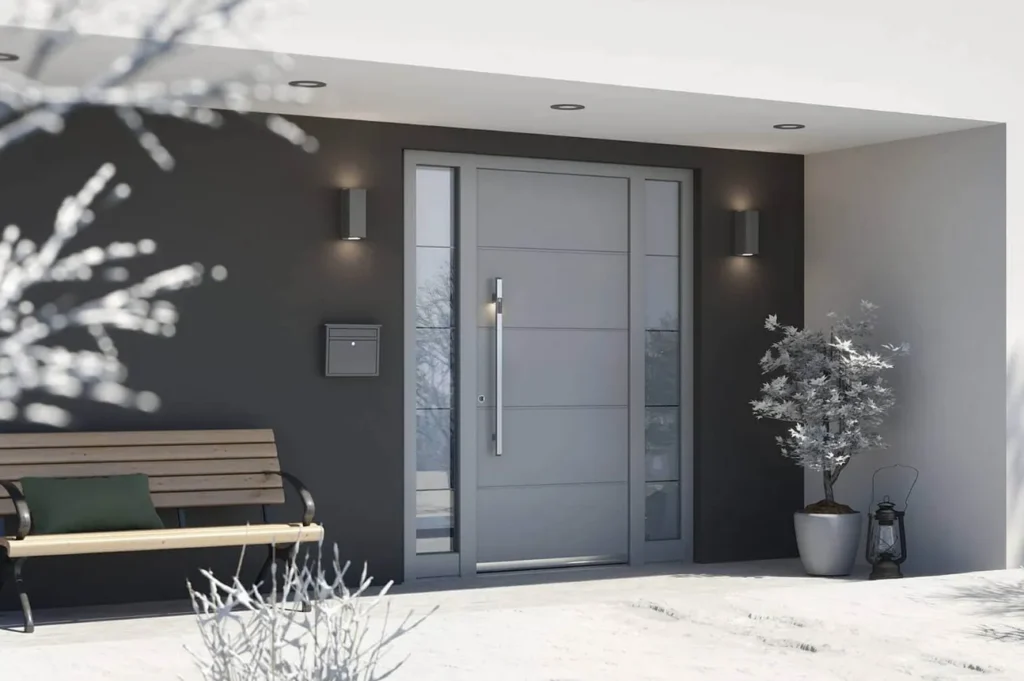
Architects and builders face a tough challenge when designing modern structures: balancing sleek aesthetics with rigorous energy performance standards. Glass facades and large entryways look stunning, but they can easily become thermal weak points. This is where advanced fenestration technology steps in. When you work with a top-tier aluminum door manufacturer, you quickly realize that modern aluminum systems offer the perfect marriage of durability, design flexibility, and surprising thermal efficiency.
This article explores why energy-efficient aluminum doors have become a staple in contemporary architecture. We will cover the specific features that make them effective insulators, the long-term cost benefits, and how they contribute to sustainable building certifications.
The Evolution of Aluminum in Architecture
Historically, aluminum had a bad reputation in the energy sector. As a metal, it is naturally highly conductive, meaning it transfers heat and cold very easily. In the past, an aluminum door frame acted like a thermal bridge, sucking heat out of a building in winter and letting it in during summer.
However, technology has evolved significantly. Modern engineering has transformed aluminum from an energy liability into a high-performance asset. Through the use of thermal breaks and advanced glazing techniques, today’s aluminum doors can meet passive house standards while maintaining the slim profiles architects love.
Key Features of Energy-Efficient Aluminum Doors
Understanding how these doors work requires looking inside the frame. It isn’t just about the metal; it’s about the entire assembly working as a cohesive thermal barrier.
Thermal Break Technology
The most critical component of an energy-efficient aluminum door is the thermal break. This is a reinforced polyamide strip placed between the inside and outside aluminum profiles. This strip creates a barrier that stops energy transfer.
- Insulation: It prevents the cold outer metal from touching the warm inner metal.
- Condensation Control: By keeping the interior frame surface warmer, thermal breaks significantly reduce condensation, which protects interior finishes from moisture damage.
High-Performance Glazing
The glass makes up the majority of a door’s surface area. Pairing an insulated aluminum frame with single-pane glass would be a waste. Modern systems utilize double or triple glazing filled with inert gases like argon or krypton.
- Low-E Coatings: Low-emissivity coatings reflect infrared light, keeping heat inside during winter and outside during summer.
- Warm Edge Spacers: These spacers separate the panes of glass and reduce heat loss at the perimeter of the window unit.
Multi-Point Locking and Sealing
Air leakage is a silent energy killer. Even the best-insulated door will fail if drafts can sneak around the edges. Energy-efficient aluminum doors often feature multi-point locking mechanisms that compress the door tightly against weatherstripping seals at the top, bottom, and sides. This creates an airtight envelope that prevents conditioned air from escaping.
Benefits for Modern Buildings
Why should building owners and architects prioritize these systems over wood or uPVC alternatives? The advantages extend beyond just lower electricity bills.
1. Durability and Low Maintenance
Aluminum is incredibly robust. Unlike wood, it doesn’t rot, warp, or swell with humidity changes. Unlike uPVC, it doesn’t become brittle under intense UV exposure. For commercial buildings or high-traffic homes, this durability means the doors maintain their seal and operational integrity for decades, ensuring energy performance doesn’t degrade over time.
2. Design Versatility
Modern architecture favors large expanses of glass and minimal sightlines. Aluminum’s high strength-to-weight ratio allows for slimmer frames that can support heavy triple-glazed units. This lets architects maximize natural light without sacrificing thermal performance, reducing the need for artificial lighting during the day.
3. Sustainability and Recyclability
Aluminum is one of the most environmentally friendly metals available because it is 100% recyclable without any loss of quality. Recycling aluminum requires only 5% of the energy needed to produce primary aluminum. Choosing these doors contributes to a circular economy and lowers the embodied carbon of a construction project.
The Role in Green Building Certifications
For developers aiming for LEED (Leadership in Energy and Environmental Design) or BREEAM certification, the building envelope is a critical scoring category.
High-performance aluminum doors contribute points in several areas:
- Energy and Atmosphere: By reducing HVAC loads through better insulation.
- Materials and Resources: By using recycled content in the aluminum frames.
- Indoor Environmental Quality: By providing thermal comfort and access to natural daylight.
For example, a modern office complex in a cold climate like Chicago can significantly reduce its heating load by swapping traditional storefront systems for thermally broken aluminum doors. The initial investment is higher, but the reduction in operational carbon and utility costs pays dividends over the building’s lifecycle.
Choosing the Right System for Your Project
Not all aluminum doors are created equal. When selecting a product, look for specific performance metrics rather than just aesthetic appeal. Pay attention to the U-value (which measures heat loss) and the Solar Heat Gain Coefficient (SHGC).
- Low U-Value: A lower number means better insulation.
- Appropriate SHGC: In cold climates, a higher SHGC can provide free heat from the sun. In hot climates, a lower SHGC blocks solar heat to keep cooling costs down.
Conclusion
Energy-efficient aluminum doors represent a smart investment for any modern building project. They solve the historical conductivity issues of metal frames through innovative thermal breaks and superior sealing, offering a solution that is durable, sustainable, and aesthetically pleasing.
Whether you are designing a custom home or a commercial high-rise, upgrading your specifications to include high-performance aluminum systems will enhance comfort and reduce environmental impact. We encourage you to review your current building plans and consider how energy