
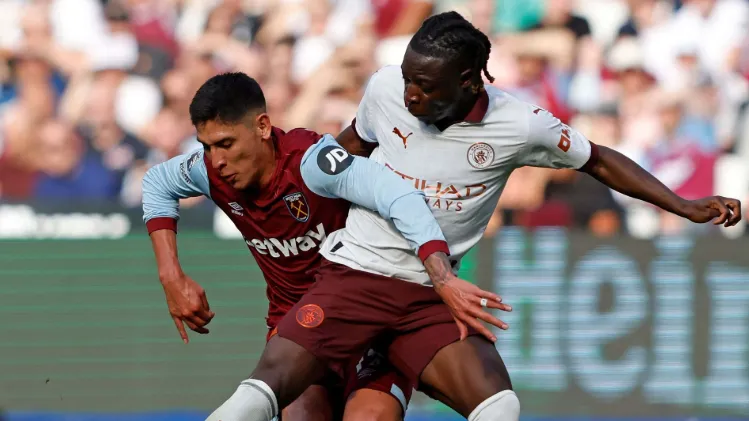
Serie A player fitness plays a vital role in determining both team performance and individual impact on the pitch. In a league known for its tactical intensity, aging stars, and congested schedules, understanding how fit a player is can help fans, analysts, and bettors better predict outcomes and assess value. This article explores the key elements involved in evaluating fitness among Serie A players and how to apply that insight meaningfully.
What Does “Fitness” Mean in a Serie A Context?
Fitness in football refers not just to injury status, but also to physical readiness, match sharpness, and endurance under tactical systems. In Serie A, where many clubs rely on compact formations and high discipline, fitness directly affects:
- Pressing intensity
- Positional consistency
- Late-game concentration
- Injury susceptibility
Clubs with fitter players often dominate in the final third of matches and maintain shape under pressure.
Why Serie A Player Fitness Is So Crucial
Serie A is a unique tactical environment where fitness contributes to more than just stamina. Its importance includes:
- Playing through contact in tightly marked duels
- Maintaining zonal discipline in deep defensive blocks
- Breaking lines late in the game when space opens
- Avoiding fatigue-based mistakes in pressure scenarios
Given the league’s defensive nature, a single lapse in fitness can lead to a game-deciding goal or breakdown.
How to Assess Fitness Using Match Data
Modern football data platforms provide metrics that hint at player conditioning. Here’s what to track for Serie A fitness analysis:
Minutes Played Across Competitions
Players logging full 90-minute shifts in both domestic and European matches may face fatigue, especially with limited rest days.
Distance Covered Per 90 Minutes
This stat reveals general activity and movement levels. A sudden drop may suggest minor fatigue or hidden injury concerns.
Sprint Count and High-Intensity Runs
Serie A wingers and full-backs often rely on repeated bursts. A drop in sprint output can point to declining sharpness or cautious recovery from injury.
Substitution Patterns
Coaches often sub players early when fitness is in doubt. A key starter consistently taken off around the 60-minute mark might still be regaining full match condition.
Impact of Injuries and Rotation on Fitness Levels
Understanding the cycle between injury, rotation, and return to form is essential.
Injury History and Recurrence Risk
Serie A players with a history of muscular injuries (e.g., hamstrings, groin strains) are at higher risk of relapse, especially in high-volume periods like January or April.
Squad Depth and Rotation
Clubs like Inter Milan or Napoli can rotate players more effectively due to depth, keeping fitness levels more stable across competitions. Meanwhile, smaller teams with limited squads often run their best players into the ground.
Return from International Duty
Players flying back from international breaks, especially non-Europeans, may face travel fatigue and jet lag, reducing short-term performance output.
Tactical Demands and Their Influence on Fitness
Not all roles in Serie A require the same level of exertion. Fitness impact varies by position and system.
Full-Backs in Wingback Systems
In 3-5-2 formations, wingbacks must cover huge distances, often playing both attacking and defensive roles. Maintaining high fitness is non-negotiable.
Pressing Midfielders
In clubs like Atalanta or Fiorentina, central midfielders are asked to press relentlessly. Watch their late-match stats for signs of fatigue-related drops in output.
Veteran Forwards
Many Serie A sides deploy experienced strikers in smart roles. While their distance covered may be low, efficiency and sharpness are key fitness indicators instead.
Using Fitness Insights for Betting and Fantasy Picks
Knowing which players are fully fit—and which aren’t—offers a tangible edge in prediction and decision-making.
Avoid Betting on Teams with Key Players Returning Too Soon
A star defender or midfielder who’s rushed back into the XI may not last the full game or perform to standard, especially in away fixtures.
Favor Clubs with Consistent Lineups
Teams that manage rest periods well and avoid frequent rotation usually develop better chemistry, rhythm, and fitness.
Target High-Fitness Attackers for Anytime Goalscorer Bets
Forwards like Victor Osimhen or Lautaro Martínez, when fit and sharp, consistently finish chances late due to preserved energy and positioning.
ufabet living isn’t only for hardcore bettors—it’s for any football fan who wants to explore the game more deeply. Whether you’re just starting out or already have experience, the platform offers something for everyone, from basic guides to advanced tools.
Fitness Monitoring Tools You Can Use
Several platforms now make it easier to track Serie A player fitness:
- FBref: Minutes played, substitutions, and match load
- SofaScore: Player performance ratings and recent injuries
- WhoScored: Detailed match logs and player stats
- Transfermarkt: Injury histories and recovery timelines
Combining these resources provides a clearer fitness profile for any player or team in the league.
Case Example: Monitoring Rafael Leão’s Fitness Impact
Rafael Leão of AC Milan is a prime example of a player whose performance hinges on full fitness:
- When fresh, he delivers high sprint volume and explosive bursts.
- When returning from a layoff, his dribble success rate and final-third runs drop significantly.
- Milan’s attack is visibly less dangerous when his output is limited by fitness.
Tracking this kind of data is essential before betting on Milan wins or placing player prop bets involving him.
Final Thoughts: Making Fitness Analysis Part of Your Serie A Strategy
Serie A player fitness is a subtle but crucial variable in understanding how matches unfold and why some players shine while others fade. It connects directly to tactical roles, injury recovery, and club management.
Whether you’re analyzing a key matchup, building a fantasy squad, or evaluating betting value, integrating fitness analysis into your process will lead to sharper insights—and better results—across the board.