
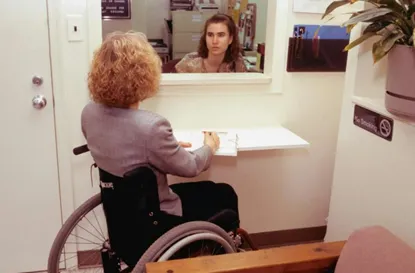
Applying for Social Security Disability (SSD) can feel overwhelming, especially when denials are common, the paperwork is detailed, and the wait feels endless. But your chances improve when you take small, smart steps like keeping strong medical records, explaining your limitations clearly, and staying consistent with deadlines. These actions can lead to faster decisions, fewer appeals, and the security of benefits that support you while you heal.
With the right approach, success comes from preparation, not luck-so dive into this guide to learn how to strengthen your claim and give yourself the best chance at approval by reading the full article.
Know the SSA Rules That Shape Every Claim
The Social Security Administration (SSA) uses strict rules, and knowing them helps you build a stronger application. Your condition must meet the SSA’s definition of disability and show it will last at least 12 months or could result in death. These basic requirements guide how your records are reviewed and how your limits are judged.
Your income also has to stay below the Substantial Gainful Activity (SGA) limit for that year. If you earn more than this amount, your claim can be denied before anyone looks at your medical proof. Using these rules as your starting point makes it easier to shape a claim that fits what Social Security needs.
Stronger Evidence, Stronger SSD Results
The SSA gives the most weight to objective medical evidence, so strong records can make or break your claim. This includes test results, imaging, provider notes, treatment plans, and medication histories that clearly show how your condition affects your daily abilities. SSA guidance and the Blue Book place more value on measurable proof than on general statements, which is why detailed documentation is essential.
A solid file should include clinic and hospital notes, MRIs, X-rays, lab results, and any specialty tests tied to your condition. Add your prescription history, provider statements describing your work limits, and any functional or vocational assessments. Use secure submission tools from your providers or the SSA to send records quickly, and always keep a personal copy for your own tracking.
Why Consistent Treatment Strengthens Your Claim
Missing appointments or ceasing treatment can create gaps that downplay the seriousness of your condition. The SSA may see these gaps as signs that your limits are not consistent, even when you are struggling. Staying in regular care helps build a clear, steady record of your symptoms.
Routine visits provide your providers with opportunities to document the changes in your condition over time. Updated notes and treatment adjustments help show the real impact on your daily life. This steady documentation makes it easier for the SSA to understand your limits.
A simple symptom diary can add helpful detail to your claim. Short notes on pain, fatigue, or trouble with tasks like standing or lifting fill in what medical records may not show. When paired with regular treatment, these details show both severity and honest effort.
Avoid the Mistakes That Lead to Denials
Many SSD denials happen not because the claimant lacks a real disability, but because the application leaves too many gaps. Missing forms, unclear answers, or skipped medical details make it hard for reviewers to understand the full picture. Even small errors, like mixed-up dates or incomplete work history, can slow the process or lead to a denial.
Clear, specific answers give your claim stronger support. Describing limits with simple details, such as how long you can sit or how much you can lift, helps show how your condition affects daily tasks. Using checklists or guided tools can also help you avoid mistakes and keep your application complete from the start.
Partner with an Expert for a Stronger Claim
Representatives who focus on SSD claims can spot missing evidence, gather detailed reports, and guide you through exams and appeals. Their experience often leads to higher success rates because they know how to connect medical facts with SSA rules. If you seek support, work with a skilled disability advocate such as the best SSD lawyer in Las Vegas, and make sure they file the required SSA fee forms.
Keep Moving Forward After an Initial Denial
Many applicants get denied at the first stage, and this is a normal part of the SSD process. The appeals system has four steps: reconsideration, a hearing before an Administrative Law Judge, an Appeals Council review, and federal court review if needed. Each stage gives you a chance to add new evidence and explain your limits more clearly.
A denial should guide your next move, not stop your claim. Use this time to update medical records, fill any gaps, and work with a representative who can help prepare you for the hearing. With steady planning and the right support, your case becomes stronger and more complete.
Build a Clear, Organized Path for Your Claim
Start with a quick pre-apply check to confirm your SGA status, work credits, and basic eligibility. Then, gather medical records from all providers and complete any tests that show how severe your condition is. This early work creates a strong base for your claim.
Keep a simple activity log that shows your daily limits and ask your providers to note specific work restrictions. When completing your application, use clear wording and attach all supporting documents to avoid gaps. Plan for appeals early by choosing a representative and tracking all deadlines.
Moving Forward with a Stronger Claim
Getting Social Security Disability approved takes steady work, clear proof, and consistent follow-through. When you understand SSA rules, keep your medical records complete, follow treatment, avoid paperwork mistakes, and work with skilled support, you give your claim real strength. These steps help you build a file that shows your limits with clarity and makes your case easier to evaluate.
Now is the time to take action. Review your documents, fill any evidence gaps, and reach out for guidance if the process feels heavy. Use the tools and checklists on our blog to make each step easier, and connect with a representative who can help you shape your claim with confidence. This is your path toward securing the benefits that protect your income and stability.
Keep reading our blog to stay informed and prepared as you move through your SSD journey.