

Clothing decisions happen quietly, often without second thought. We get dressed in the morning, adjust a sleeve, reach for familiar fabrics, choose shoes based on weather or mood, and step into the world. Yet these choices reflect far more than function. They reveal how we want to move, how we want to be seen, and how we relate to the environments we enter. Even small, practical questions, such as can you wear leggings to church, are less about rules and more about understanding how clothing shapes our presence in different social spaces. Style is more than expression. It is navigation.
What we wear is part of how we create space for ourselves as we move through daily life.
Clothing as an Interface Between Self and Surrounding
Every space has a tone. A café mid-morning, a workplace meeting, a friend’s living room, a bus commute, a formal gathering, each holds a social atmosphere. We adjust to those atmospheres without needing to articulate why. Clothing becomes a subtle interface for this adjustment. It allows us to bring our inner state into alignment with the energy around us.
A tailored coat may help someone feel composed while presenting an idea. A soft sweater may provide comfort when entering a stressful environment. Footwear can determine how grounded or light we feel walking down a city street. These decisions are sensory as much as visual.
Research from the University of Hertfordshire’s School of Psychology found that clothing influences cognitive and emotional behavior, not only how we are perceived, but how we engage with our surroundings. Clothing, in this sense, is not decoration. It is a tool for moving through the world.
Style Is a Conversation With Place
What feels appropriate to wear changes depending on context because spaces themselves communicate. A library invites quiet. A concert invites movement. A religious space invites reflection. A night out invites expression. Dressing is a way of responding to the mood, expectations, or emotional language of the setting.
This does not mean conformity. It means dialogue.
Consider a warm coat layered over a simple dress for a city winter evening. It aligns warmth, elegance, and mobility. Or a structured button-down paired with relaxed trousers for a day that requires clarity but not rigidity. Clothing becomes a way of respecting both the environment and the self within it.
We do not dress only for others, nor only for ourselves. We dress for the space between.
Familiar Pieces as Grounding
Every wardrobe contains items that are worn repeatedly, long after newer pieces have arrived. A favorite coat. A worn-in pair of boots. A particular sweater that fits just right at the shoulders. These garments become familiar anchors, they hold memory and emotional ease.
Familiar clothing can steady us in unfamiliar settings. It provides continuity, a reminder of identity when surroundings feel uncertain or demanding. This is why style is deeply personal. Two people can wear similar clothing but feel entirely different within it.
Clothing that feels like “home” allows movement with confidence.
The Rhythm of Dressing Throughout the Day
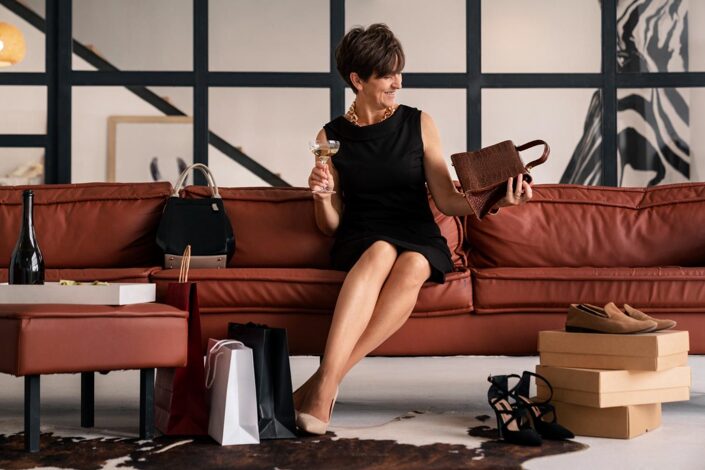
Image from Freepik
Personal style is fluid. How we dress in the morning may differ from how we dress in the evening because our emotional and sensory needs shift. There are days when structure feels supportive, and days when looseness feels necessary. There are environments that call for quiet, and others that welcome boldness.
Dressing becomes a rhythm, not a fixed identity. The wardrobe becomes a toolkit, not a display.
Understanding this makes style less about impression and more about adapting with awareness. It allows clothing to help rather than constrain.
Clothing as Boundary or Invitation
Clothing can create closeness or distance. It can invite connection or signal the need for space. A soft, open silhouette may feel welcoming. A sharp, structured jacket may establish formality or focus. A bright color may signal openness or joy. A darker tone may signal reflection or introspection.
This is not superficial. It is expressive.
The body communicates, and clothing shapes that communication. Without words, clothing can say:
I am comfortable.
I am gathering myself.
I am present.
I am observing.
I am open.
I am holding something tender.
I am ready.
Style becomes part of emotional fluency, a way of aligning internal state with external reality.
The Influence of Memory and Story
Certain pieces stay in our wardrobe not because of trend but because of story. A scarf purchased while traveling. A dress worn during a meaningful season of life. A blazer associated with a turning point. Memory lives in fabric.
Clothing can carry us forward while reminding us where we have been.
This layering of meaning gives personal style its depth. It is why a wardrobe is not just a collection of garments but a record of selfhood evolving over time. It allows us to see continuity in ourselves even as life changes around us.
Personal Style as Presence
Ultimately, personal style is not performance. It is presence.
It is how we place ourselves in the world, thoughtfully, comfortably, confidently, quietly, boldly, or softly, depending on who we are in that moment.
The question is not, What looks impressive? The question is, What allows me to move through today as myself? That answer shifts. And that shifting is the language of living.
We move through many spaces each day, some familiar, some unpredictable, some tender, some demanding. Clothing is one of the tools we have to navigate that movement. It can ground us, express us, protect us, or simply make the day feel more like our own.
Personal style is not about standing out or blending in. It is about moving through the world with awareness, of self, of environment, and of the quiet dialogue between the two. When we dress with that awareness, we do not merely choose clothes. We choose how we will meet the day.