In football, a red card can instantly turn the tide of a match, leaving players, coaches, and fans in shock. The article explores those dramatic moments when tempers flare, rules are broken, and a single decision changes everything on the pitch. From unexpected tackles to heated confrontations, these incidents highlight the thin line between passion and recklessness in the beautiful game, setting the stage for unforgettable drama.

The Causes Of Red Card Chaos
In football, red cards are often the most dramatic and game-changing events, leaving players, coaches, and fans stunned. Understanding the causes of these incidents sheds light on why discipline sometimes collapses on the pitch, resulting in chaos that can alter the course of a match.
Aggressive Tackles And Fouls
One of the most common causes of red cards is overly aggressive tackling. When players mistime challenges or deliberately aim to stop an opponent’s attack with excessive force, referees are quick to intervene. Such tackles not only risk serious injury but also escalate tensions on the field. Matches often shift dramatically after a key player is sent off, with the disadvantaged team struggling to maintain its strategy. Examples abound in major leagues where a single reckless tackle changed the outcome of a crucial game, reminding fans and players alike of the importance of controlled aggression.
Emotional Outbursts On The Field
Another major contributor to red card chaos is emotional outbursts. Football is a high-pressure sport, and players sometimes react impulsively to provocations from opponents or disagreements with referees. Yelling, shoving, or retaliatory actions can quickly escalate into situations warranting a straight red card. Emotional intelligence and composure are essential on the pitch; without them, a momentary lapse can lead to long-term consequences for both players and their teams. Fan reactions often mirror these on-field emotions, creating a volatile atmosphere that further magnifies the chaos.
Tactical Misjudgments
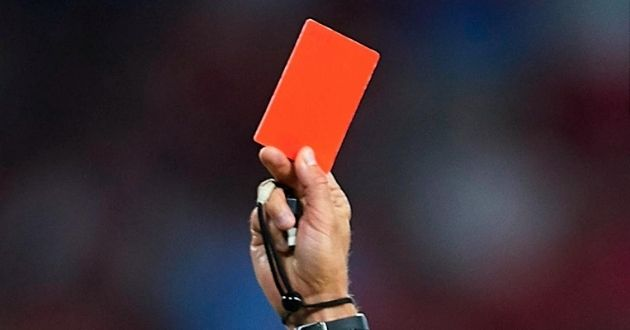
Sometimes, red cards occur not from emotion but from calculated tactical misjudgments. Defenders may commit deliberate fouls to stop promising attacks, accepting the risk of a sending-off to prevent a goal. While such decisions might be strategic, they carry severe consequences, often leaving the team with fewer players and forcing a shift in formation or approach. Coaches frequently analyze these situations in post-match discussions, including commentary on platforms like 90P, where match analysis highlights how one misjudgment can ripple through the entire game.
The Consequences Of Red Cards In Football
Red cards are among the most impactful events in football, often altering the dynamics of a match in an instant. Beyond the immediate disadvantage of losing a player, red cards carry far-reaching consequences for teams, individual players, and even fan perception. Understanding these effects provides insight into why discipline is crucial in football and how a single moment of chaos can resonate long after the final whistle.
Impact On Match Outcomes
When a player is sent off, the team must continue with one fewer player, forcing immediate tactical adjustments. Coaches often have to reshuffle formations, switching to a more defensive setup or sacrificing attacking options to maintain balance. Matches that seemed under control can quickly spiral, with teams struggling to cover gaps and opponents exploiting the numerical advantage. Statistics consistently show that teams playing with ten men face a higher likelihood of conceding goals, underlining how a red card can decisively influence results.
Psychological Effects On Players And Teams
Receiving a red card can have severe psychological impacts. For the player sent off, guilt and frustration often accompany the suspension that follows, affecting confidence and performance in subsequent matches. Teammates may experience heightened stress and pressure to compensate for the missing player, which can disrupt team cohesion and morale. Over time, repeated disciplinary issues can tarnish a player’s reputation, influencing selection decisions by coaches and perceptions among fans.
Tactical Repercussions
A red card forces teams to rethink their strategies mid-game. Defensively, teams may adopt a compact shape to reduce spaces and prevent further goals, while offensive plans often become conservative. Substitutions may be used strategically to cover weaknesses or maintain stamina, fundamentally altering the original game plan. This shift highlights how tactical miscalculations or momentary lapses can ripple through a match. Analysts often examine these scenarios, providing insights and advice for future fixtures content that platforms like 90P TV football predictions today often feature to help fans understand the ripple effects of disciplinary actions.
Fan Reactions And Media Coverage
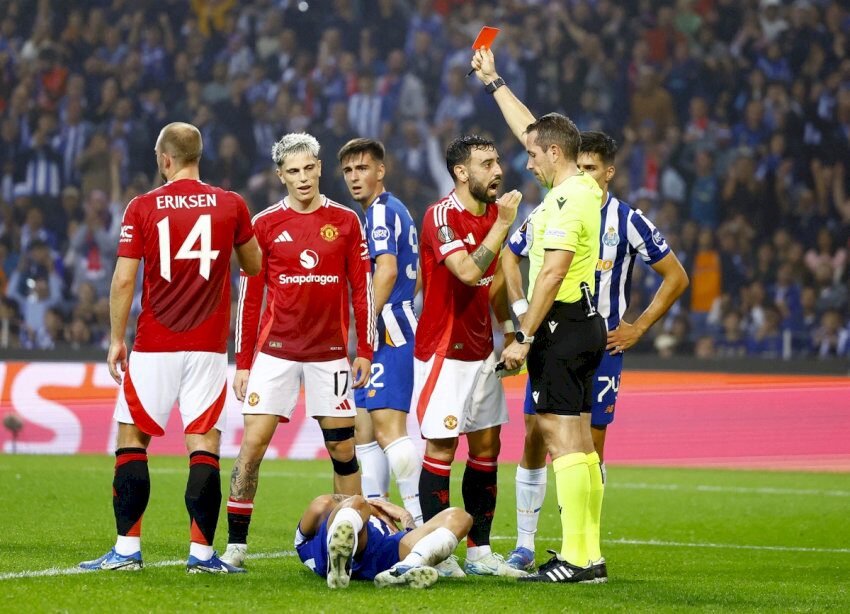
Red cards inevitably ignite strong reactions from supporters and the media. Fans may express outrage or disappointment, while social media amplifies every controversial decision, often leading to heated debates. Media coverage can frame a red card as either a justified enforcement of rules or an unjust penalty, influencing public perception of both players and referees. High-profile red cards become talking points long after matches end, shaping narratives about teams’ discipline, rivalry intensity, and even league reputation.
In conclusion, the consequences of red cards extend far beyond the immediate ejection of a player. From altering match outcomes to affecting team psychology, tactical decisions, and fan engagement, these moments highlight the intricate balance between discipline and competitive passion in football. While chaotic, red cards serve as powerful reminders of the high stakes in the sport and why maintaining composure is essential for success on and off the pitch.
Conclusion
In football, red cards serve as dramatic reminders of how quickly discipline can unravel and change the course of a match. From aggressive tackles to emotional outbursts and tactical misjudgments, the consequences extend beyond the immediate game, affecting team strategy, player morale, and fan perception. These moments, while chaotic, highlight the fine balance between passion and control in the sport. Ultimately, understanding the causes and effects of red cards helps fans, players, and coaches appreciate the intensity and unpredictability that make football truly thrilling.