In recent years, the global beauty industry has undergone a profound shift toward inclusivity, particularly in haircare. Once dominated by narrow definitions of beauty, the market now recognizes the diversity of hair textures and the cultural identities tied to them. Consumers are demanding products that speak to who they are, not who they’re expected to be.
This transformation is reflected in how brands approach both education and representation. Companies like Rennora Beauty have started publishing accessible resources that help consumers understand their hair’s unique characteristics, such as explaining what split ends look like on African American hair, while emphasizing care, health, and empowerment.
A Market Rooted In Representation
According to Mintel’s 2024 Global Beauty and Personal Care Report, nearly 70% of consumers across the U.S. and Africa say inclusivity influences their purchasing decisions. The numbers are even higher among younger demographics, who expect brands to offer diverse product lines and realistic marketing imagery.
This shift is long overdue. For decades, people with textured, curly, and coily hair were excluded from mainstream beauty campaigns, forced to rely on community advice or niche products. Today, representation is no longer a bonus, it’s a baseline expectation.
Inclusive brands are responding with formulations for every curl pattern, scalp need, and climate condition. More importantly, they’re involving real consumers in testing and development, ensuring that inclusivity is built from research, not rhetoric.
Technology And Transparency
Digital platforms are reshaping how consumers learn about haircare. YouTube tutorials, TikTok education, and influencer-led ingredient breakdowns have made it easier to discover what works for each texture. Transparency has become essential, from ingredient sourcing to brand messaging.
This demand for clarity is forcing manufacturers to rethink production and labeling practices. Consumers now expect brands to explain why certain ingredients are included and how they benefit different textures. That expectation is not limited to the U.S. market; it’s a global movement spanning Lagos, Johannesburg, and London alike.
The Cultural And Economic Ripple Effect
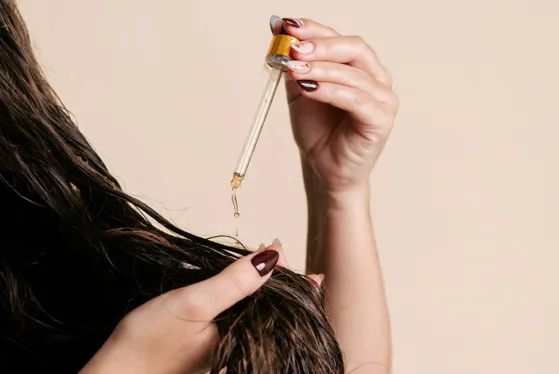
Image from Unsplash
The call for inclusive haircare isn’t just about aesthetics, it’s about cultural recognition. Across Africa, the Caribbean, and diasporic communities in North America, hair is a powerful symbol of heritage and resilience.
Brands that embrace this understanding are thriving. The natural hair movement, which gained global traction in the late 2000s, has since evolved into a $13 billion industry projected to double by 2030, according to Statista. Beyond growth, it has redefined entrepreneurship: Black-owned and female-led haircare startups are leading innovation, from plant-based conditioners to scalp serums designed for humid climates.
Challenges That Remain
Despite this progress, barriers persist. Many inclusive brands still face funding gaps, unequal shelf space in major retailers, and limited access to research labs capable of developing products for diverse textures.
There’s also an education gap: stylists and consumers alike continue to rely on outdated information that doesn’t reflect modern formulations or texture science. That’s where digital content and open-source learning, like hair-specific blogs and community forums, play an important role in closing the knowledge divide.
The Harvard Business Review has noted that inclusive innovation drives brand loyalty more effectively than traditional marketing. When people see themselves in a brand’s story, they’re not just buying products, they’re buying trust.
A Global Call For Authenticity
The new generation of haircare consumers isn’t asking for perfection; they’re asking for authenticity. Whether in New York, Nairobi, or Johannesburg, buyers are drawn to brands that listen, educate, and evolve with them.
Inclusivity in haircare isn’t a passing trend, it’s a cultural correction. As the industry continues to adapt, its success will depend on one simple principle: respect for the diversity of human experience.
Because hair is more than biology or fashion, it’s identity, history, and belonging. And in an era that celebrates every texture and story, that diversity isn’t just beautiful; it’s essential.