Fan passion and team chants form the backbone of the identity for many NFL franchises. Below is a look at several of the league’s most passionate fanbases, the origins of their chants or nicknames, and why their loyalty drives the energy on and off the field—even influencing perceptions around NFL odds without being explicitly about them.
Seattle Seahawks – The “12s”
Seattle’s fanbase is widely renowned for its intensity. The team officially retired jersey number 12 in 1984 to honor their fans, reflecting the idea that the supporters serve as a “12th player.” In the Kingdome and later at Lumen Field, the roar of the crowd reached record levels; in 2013, the fans registered a peak crowd noise of 136.6 decibels—a Guinness World Record for loudest crowd roar at a sporting event at that time.
Their anthem isn’t necessarily a chant but a constant thunder of support and the waving of the “12” flag before kickoff. The overwhelming home-field advantage is part of what makes the Seahawks’ environment special. The sheer volume and unity of the 12s give the Seahawks an edge at home and create a unique fan identity.
Kansas City Chiefs – “Chiefs Kingdom” & the Tomahawk Chop
The Chiefs’ fan culture is built on belonging and volume. Their fanbase, dubbed “Chiefs Kingdom,” spans nationwide despite Kansas City being one of the smaller NFL markets. One of their signature fan-driven traditions is the tomahawk chop: a rhythmic arm motion and vocal chant performed by cheerleaders and crowds during games. Arrowhead Stadium has also made headlines for being one of the loudest outdoor stadiums in the NFL.
The combination of branding as a “Kingdom” and the physical presence of fans creates a strong home identity. Their loud crowds and rituals contribute to the Kansas City aura on game days.
New Orleans Saints – “Who Dat Nation”
In New Orleans, the Saints’ fanbase is built on culture, pride and resilience. Their rallying cry, “Who dat say dey gonna beat dem Saints?” reached popular use in the 1980s and became embedded in the team’s identity. The phrase captures local dialect, community spirit and the team’s underdog history.
The chant represents more than fandom—it reflects city pride, community identity and a distinctive voice that stands out across the league.
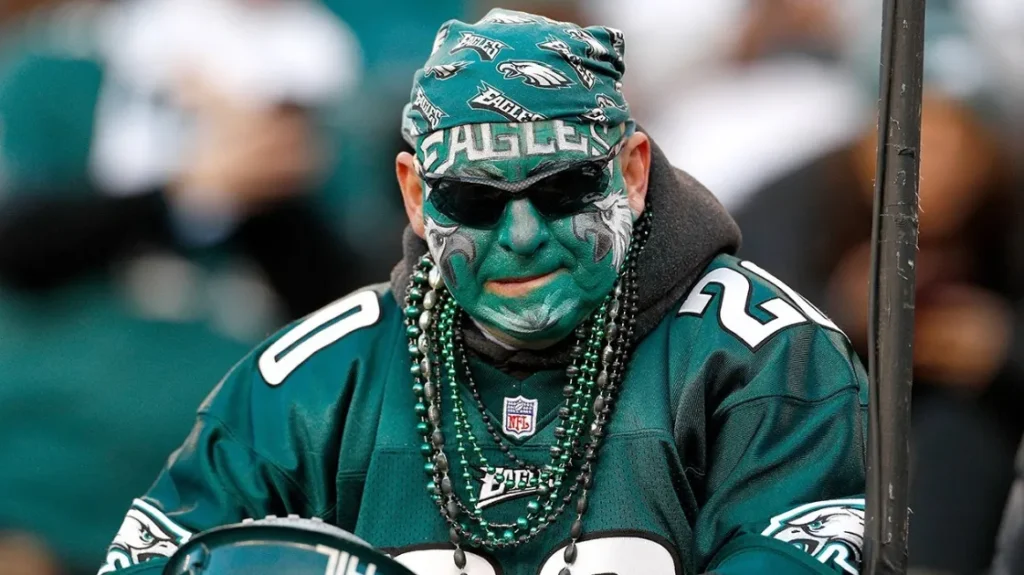
Philadelphia Eagles – “E‑A‑G‑L‑E‑S, Eagles!”
Philadelphia’s fanbase is spirited, loud and unfiltered. A signature chant comes from the fight song Fly, Eagles Fly and the crowd echoes “E‑A‑G‑L‑E‑S, Eagles!” during home games. The city’s connection to the team is storied, with numerous championships and a blue‑collar ethos.
The chant and fan attitude exemplify how identity and intensity merge in Philadelphia. For visiting teams it is a full‑force atmosphere that sets the tone before kickoff.
Why Fanbases & Chants Matter
- Atmosphere matters: Loud, united crowds can influence momentum, home‑field advantage and opponent discomfort.
- Identity builds loyalty: Chants and traditions give fans a voice and a connection to the team beyond wins and losses.
- Marketing and culture: Fan chants become brand tools. They make teams memorable, provide rallying cries for social media and reinforce franchise culture.
From the 12s in Seattle to Who Dat Nation in New Orleans, the NFL offers a rich tapestry of fan identities and chants. Whether it is the flag-waving and decibel-shattering Seattle crowd, the tomahawk chop in Kansas City, the dialect-infused chant in New Orleans, or the rowdy home‑crowd in Philadelphia, each tradition tells a story. They anchor the team in its city, fuel game‑day energy and add to the spectacle of professional football.
When you tune into a Sunday game or follow preseason chatter, remember that the fans in the stands are part of the equation too. Their voices, chants and history shape the experience as much as the players on the field.