
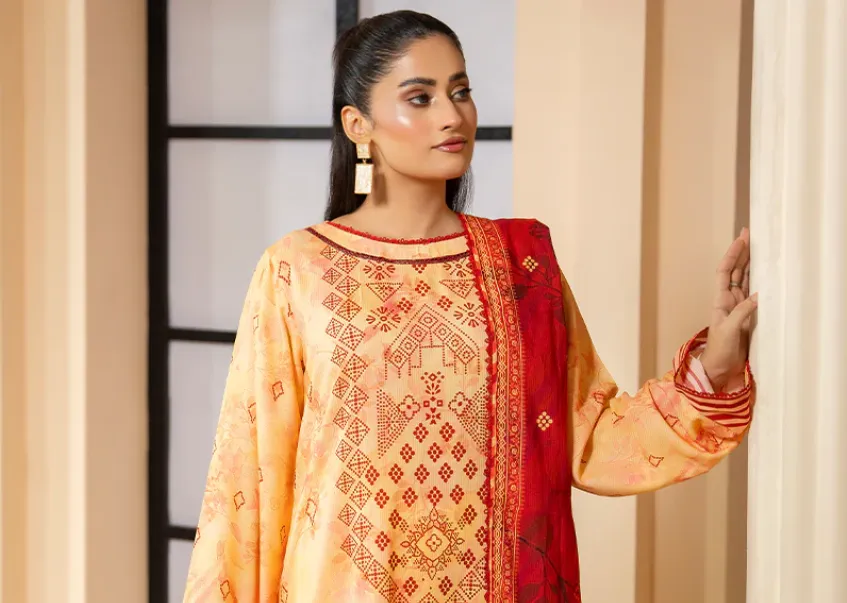
Let’s take a little detour. Imagine you’re walking into a vintage boutique, the kind that smells like history, with walls lined with beautifully curated pieces from decades past. One of the first things you’ll notice is a collection of impeccably tailored garments—some floral, some geometric—all with that special texture. You can almost feel the fabric’s story when you touch it. Yep, that’s Jacquard.
Now, this isn’t just any fabric. It’s the kind of material that’s had designers and fashion lovers in its thrall for centuries. So, what makes Jacquard so special, especially in 2025? Why has this fabric, with its complex patterns and rich texture, stood the test of time? It’s more than just looks (though it definitely looks stunning). It’s the craftsmanship, the history, and—let’s be real—the sheer versatility of the fabric.
The Historical Magic of Jacquard
Okay, so Jacquard fabric material didn’t just pop into existence one day like some flash-in-the-pan trend. This fabric has roots that stretch all the way back to 1804. That’s when Joseph Marie Jacquard, a French inventor, basically changed the entire game of textile production. Back in the day, weaving intricate patterns into fabric was a painstaking, hand-woven process. Think hours of meticulous labor. Jacquard, being the genius that he was, developed a loom attachment that used punched cards (yep, the precursor to programming!) to automatically control the patterns.
What this meant was that Jacquard fabric material could now be woven with complex patterns without relying on a human weaver to painstakingly create every single detail. Instead, the loom did it for them. For the first time ever, intricate patterns like brocade, damask, and eventually Jacquard fabric itself became easier to produce. Imagine the freedom and speed this unlocked for the textile industry.
And that’s why we’re still talking about Jacquard today. The patterns were no longer just decorative—they became part of the fabric itself, creating a texture that couldn’t be replicated by mere printing. The woven-in designs created a look and feel that’s hard to beat, which is probably why Jacquard fabric material is still a top pick for designers everywhere.
Why Designers Can’t Get Enough of Jacquard
It’s one thing to look back at history, but what really matters is why Jacquard is still such a beloved material in 2025. Is it just the luxurious look? Sure, but there’s more to it. Jacquard fabric offers this balance of sophistication and versatility that few fabrics can match. And let’s be honest—finding a fabric that nails both is a rare thing.
For one thing, Jacquard gives garments a depth that other fabrics can’t quite replicate. The texture itself is like an artwork—it’s not just something that looks good; it actually feels good. Designers love it because it adds layers (literally and figuratively) to whatever they create. Whether it’s a tailored coat or a vintage-inspired evening gown, Jacquard doesn’t just conform to the design; it elevates it. It’s like the quiet, sophisticated companion that makes everything else look that much better.
One of the most iconic uses of Jacquard comes from the legendary Chanel tweed jacket. Created by Coco Chanel herself, this jacket was the epitome of luxury and practicality. And guess what? Jacquard played a huge role in making this piece stand out. Karl Lagerfeld, who kept Chanel’s legacy alive, revived Jacquard to give the tweed jacket even more texture and life. It wasn’t just about the fabric looking good—Jacquard helped keep the jacket structured but comfortable, giving it that perfect balance that still makes it an iconic piece today.
Jacquard in Home Decor: More Than Just Fashion
But hey, Jacquard isn’t just hanging out on runways. It’s also making waves in interior design. Yeah, you heard me. Jacquard fabric is more than just a fashionista’s go-to material; it’s the perfect fit for transforming your living room, bedroom, or office into a stylish, sophisticated haven.
Think about this: Jacquard’s depth and texture make it ideal for furniture upholstery. The woven patterns create these interesting shifts in light and texture, adding a layer of sophistication to any room. One designer, Jean-Louis Deniot, is particularly fond of using Jacquard to upholster furniture. It’s like magic—Jacquard instantly gives any piece a luxurious feel without being over-the-top. Imagine sinking into a Jacquard-upholstered sofa—feels different, doesn’t it? That’s the kind of fabric that makes a room feel rich and welcoming at the same time.
Jacquard isn’t just limited to sofas and armchairs either. It’s also making a name for itself in drapery and pillows. The way it adds texture without overwhelming the rest of the decor is something you just can’t replicate with simple prints. Jacquard has this natural ability to be both bold and subtle, which makes it perfect for any room. Whether you’re going for something vintage-inspired or sleek and modern, Jacquard fits right in.
Jacquard’s Timeless Appeal: Why It Endures
Here’s the thing about Jacquard: it’s not just a fabric trend—it’s a fabric legacy. Unlike so many short-lived fabric trends, Jacquard is built to last. Whether it’s a Chanel jacket or a Jacquard-upholstered chair, the fabric doesn’t just wear well; it actually improves with age. Think about those timeless Chanel jackets that look just as fresh today as they did decades ago. Jacquard, with its textured patterns, only gets better the more it’s worn.
It’s not just about looking good today; it’s about crafting something that has staying power. And this is why Jacquard has remained at the forefront of fashion and design—it’s not a flash-in-the-pan trend. It’s durable, versatile, and gives each piece a sense of longevity.
Today, designers like Carolina Herrera still reach for Jacquard in their collections. She uses the fabric to create pieces that merge bold, feminine designs with classic elegance. Jacquard isn’t just a fabric for the present—it carries history, tradition, and innovation all in one. That’s why Jacquard is, and always will be, more than just a fabric.