
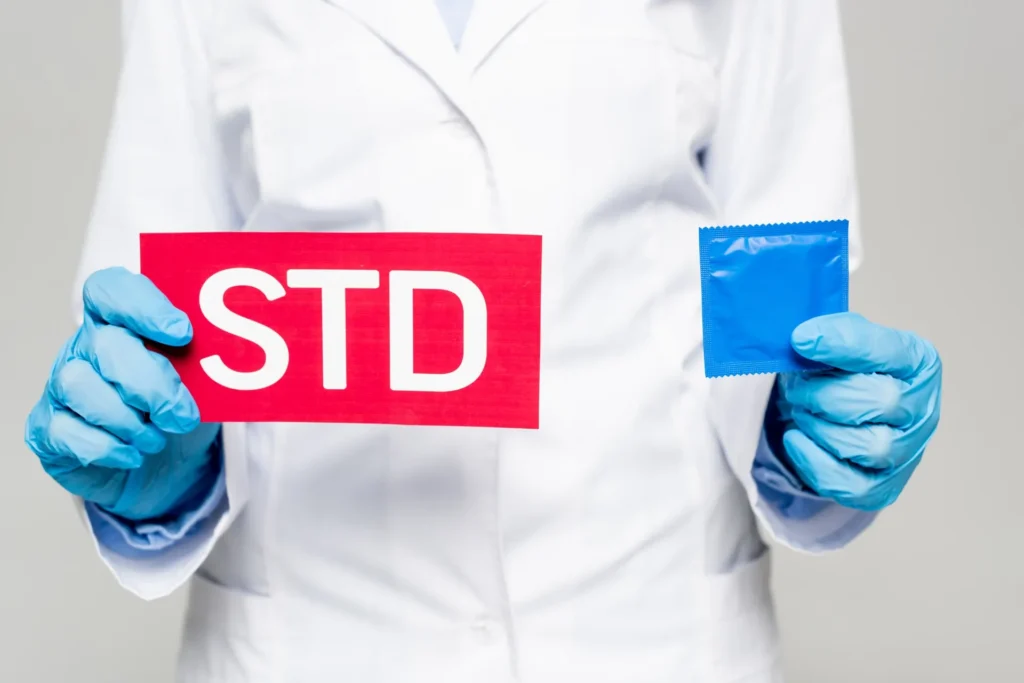
You know that feeling when your check engine light comes on and you just ignore it? You tell yourself it’s probably nothing. Maybe it’ll go off on its own. You’ve got time to deal with it later. Yeah, that works about as well with STDs as it does with your car. Except your body doesn’t come with a warranty.
Let’s get real for a second. Nobody wakes up excited about getting tested for sexually transmitted diseases. It’s awkward. It feels invasive. You have to admit to a stranger that yes, you’ve had sex, and no, you’re not entirely sure everything went according to plan. But here’s the thing: that discomfort lasts maybe an hour. Untreated chlamydia? That can make you infertile. See the difference?
The good news is getting tested isn’t the ordeal it used to be. You’ve got options now. Walk into your doctor’s office, hit up a clinic, or check the cost of std testing at urgent care if you need results without waiting three weeks for an appointment. Most places can run a full panel in under 30 minutes. You’ve spent longer scrolling TikTok on the toilet.
Why Your Symptoms Are Lying to You
Here’s where things get interesting. You’re waiting for symptoms, right? That burning sensation, unusual discharge, something that screams “HELLO, YOU HAVE A PROBLEM.” Smart move, except most STDs are masters of disguise. Chlamydia and gonorrhea frequently show zero symptoms in women. Herpes can hide for years. HIV might give you flu-like symptoms once and then go underground for a decade while it quietly destroys your immune system.
Think of STDs as the world’s worst houseguests. They trash your place while you’re sleeping. By the time you notice the damage, they’ve already invited their friends over and ordered pizza on your credit card.
Even when symptoms do show up, they’re often so generic you’d never guess. Fatigue? Could be anything. Weird rash? Probably allergies. Pelvic pain? Just stress, right? Your body is terrible at being specific. It’s like getting a text that just says “we need to talk” with no context.
The Math Nobody Wants to Do
CDC estimates say one in five Americans has an STD right now. One in five. Look around your friend group. Do the uncomfortable math. And those numbers are climbing every single year, especially among people aged 15 to 24. Young people aren’t having more sex than previous generations. They’re just better at spreading infections because nobody’s getting tested regularly.
Here’s another fun statistic: untreated STDs cost the U.S. healthcare system $16 billion annually. That’s billion with a B. You know what’s way cheaper? A $50 test. Even if you pay out of pocket, you’re looking at the cost of a decent dinner.
The ripple effects are wild. Pregnant women with untreated syphilis can pass it to their babies, causing stillbirth or severe health problems. HPV leads to cervical cancer. Gonorrhea is becoming antibiotic-resistant, which means we’re running out of ways to treat it. These aren’t just personal health issues anymore. They’re public health crises.
Testing As a Power Move
Flip the script for a minute. Getting tested isn’t admitting you did something wrong. It’s the most responsible thing you can do. It says you give a damn about your health and your partner’s health. It’s actually kind of badass when you think about it.
Regular testing should be as routine as your annual dental cleaning. Nobody judges you for getting your teeth checked. You just do it because mouth rot sounds unpleasant. Apply the same logic to your reproductive health. Get tested:
- After every new partner
- At least once a year if you’re sexually active
- Immediately if you notice any symptoms
- Before stopping condom use with a regular partner
Make it boring. Make it automatic. Remove the drama and the shame from the equation entirely.
What Actually Happens During Testing
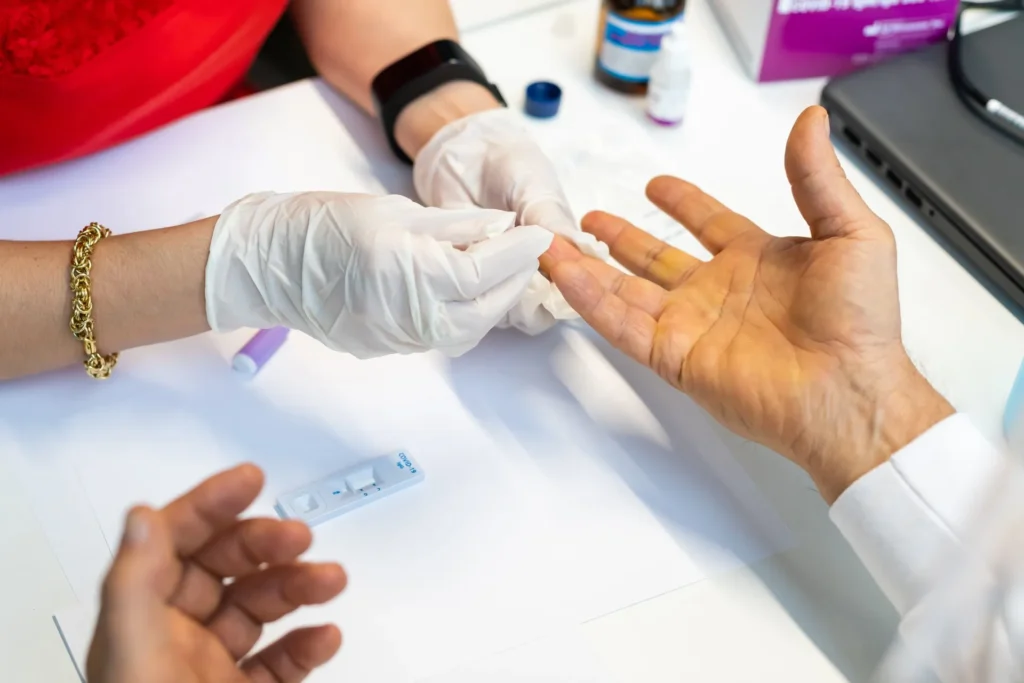
Let’s demystify this process because fear of the unknown keeps a lot of people away. For most STD tests, you’re looking at a simple urine sample or a quick blood draw. That’s it. Some tests use swabs, which yes, can be slightly uncomfortable for about ten seconds. Compare that to childbirth, kidney stones, or literally any dental procedure.
Results typically come back within a few days to a week, depending on what you’re testing for. Many places offer rapid HIV tests that give results in 20 minutes. The technology has gotten so much better in the past decade. We’re light years ahead of where we used to be.
If something comes back positive, don’t panic. Most STDs are completely curable with antibiotics. The ones that aren’t curable are manageable with medication. HIV is no longer a death sentence. People with HIV who take their meds can live completely normal lifespans and even have undetectable viral loads, meaning they can’t transmit the virus to partners.
The Conversation You’re Avoiding
The hardest part isn’t the test itself. It’s telling partners if you test positive. Nobody wants to make that phone call. Do it anyway. They need to know. They need to get tested. They need to get treated. Otherwise, you’re just playing STD ping pong, passing infections back and forth indefinitely.
Practice the conversation in your head. Keep it simple: “I tested positive for [whatever]. You should get tested too. Here’s information about where to go.” You don’t owe anyone a dramatic confession or detailed timeline. Just the facts.
Some people will react badly. Let them. Their discomfort isn’t your responsibility to manage. Your responsibility is to tell the truth and protect public health. Anyone who shames you for being honest about a positive test result is telling you exactly who they are. Believe them.
The Bottom Line Nobody Wants to Hear
STD testing isn’t optional if you’re sexually active. It’s basic maintenance. You change your oil, you update your software, you get tested. Add it to the rotation. The alternative is walking around with a ticking time bomb in your pants, and that’s just poor planning.
Book the appointment. Take the test. Get your results. Protect yourself and everyone you sleep with. It’s really that simple.