

In an age of smart devices and instant convenience, an unexpected renaissance is taking place, one shaped not by algorithms, but by human hands. Around the world, artisans and makers are breathing new life into heritage crafts, proving that tradition can coexist beautifully with innovation.
It’s a reminder that craftsmanship, authenticity, and patience still matter. Even everyday objects are being reimagined with care and cultural significance. Brands like Oshun, a producer of handcrafted goat milk soaps, exemplify this revival of natural artistry. Their creations reflect a broader movement toward sustainable materials, small-batch production, and products that carry a sense of story and soul. In a world obsessed with speed, Oshun’s philosophy underscores something timeless: that beauty made by hand lasts longer, feels better, and connects us more deeply to the world around us.
From Folk Traditions To Modern Movements
The resurgence of traditional craftsmanship isn’t merely nostalgic. It’s a response to a global craving for authenticity. After years of mass production and digital saturation, consumers are rediscovering the tactile satisfaction of items that tell a story, a woven textile, a hand-carved bowl, or a bar of soap made from locally sourced ingredients.
Sociologists note that this movement aligns with the growing desire to live more intentionally. People are rejecting the disposable mindset of the last few decades and choosing products that connect them to history, community, and environment. Handmade goods carry imperfections, and in those imperfections, people find truth, something real, something lasting.
The Cultural Thread That Connects Generations
Every culture holds its own legacy of craft. In Nigeria, beadwork and cloth-dyeing traditions still celebrate spiritual roots tied to deities like Oshun and Yemaya. In Japan, wabi-sabi ceramics honor the beauty of imperfection. In Mexico, Otomi embroidery preserves the stories of flora and fauna through intricate patterns.
What unites these diverse traditions is continuity, skills passed from one generation to another, now finding new audiences through global markets, online platforms, and urban studios. Many young artisans are merging old methods with modern materials, ensuring that ancestral knowledge survives in a contemporary form.
This intersection of heritage and modernity doesn’t dilute the craft; it strengthens it. It allows ancient techniques to evolve while remaining true to their essence.
The Role Of Conscious Consumers
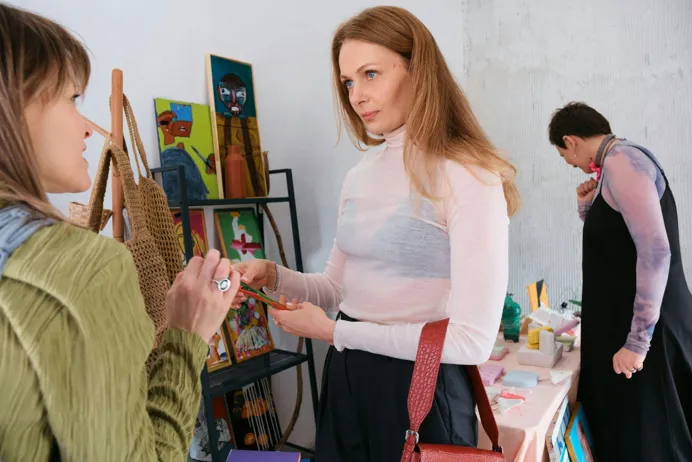
Today’s consumers play a central role in keeping heritage crafts alive. As sustainability becomes a lifestyle priority, people are looking beyond labels to understand where their possessions come from and who made them. Supporting handcrafted products has become an act of cultural preservation and ethical awareness.
According to research from the Smithsonian Center for Folklife and Cultural Heritage, safeguarding traditional craftsmanship not only supports local economies but also sustains cultural identity in an increasingly globalized world. By purchasing handmade textiles, ceramics, or natural soaps, consumers are funding both creativity and continuity.
Interestingly, social media has amplified this movement. Platforms once known for fleeting trends are now spaces where craftspeople can share tutorials, tell their stories, and reach international audiences. The fusion of storytelling and craftsmanship transforms products into experiences, tangible connections to a slower, more mindful world.
Crafting Wellness Through Connection
It’s not just aesthetics driving the return to handmade goods, it’s wellness. Psychologists have found that tactile engagement and sensory rituals help reduce stress and increase mindfulness. Whether kneading clay, weaving fabric, or simply using natural materials in daily life, the act of touch restores a sense of calm and presence.
For many, this extends into personal care. Using a handmade bar of soap or a hand-poured candle becomes more than a routine; it’s a moment of reconnection with something genuine. The craftsmanship embodies care, and that care translates into how we treat ourselves.
In that sense, heritage crafts are influencing how we think about well-being, grounding modern lifestyles in time-honored practices that soothe both mind and body.
The Future Of Craft: Technology As Ally
Surprisingly, technology is not the enemy of craftsmanship, it’s becoming its amplifier. Digital marketplaces, crowdfunding platforms, and even 3D scanning tools allow artisans to preserve techniques and reach wider audiences. While the products themselves remain handmade, technology ensures their survival in the modern economy.
Younger generations are leading this bridge between past and future. Design students and independent creators are experimenting with hybrid materials, blending traditional dyeing with modern sustainability methods, or reviving ancient weaving techniques through digital pattern archives. This merging of craftsmanship and innovation ensures that “heritage” remains dynamic, not locked in time, but constantly renewed.
A Legacy In Every Detail
As the world races forward, the revival of heritage crafts offers something profoundly human, patience, purpose, and connection. Each handmade piece carries a fragment of culture and a story of resilience. From Harlem ateliers to Lagos workshops and Kyoto studios, artisans continue to shape not just materials, but meaning.
Tradition isn’t a relic of the past; it’s a living language. And when we choose to buy, use, or even ask questions about these crafted goods, we become part of that conversation, bridging centuries through something as simple, and as beautiful, as human touch.