You’re part of the emergency response team at work, maybe in your office, on your campus, or at your community center. You’ve got the evacuation plans, the fire drills, the emergency contact lists. But then someone asks, “Who here actually knows CPR?” And the room goes quiet.
That’s when you realize emergency preparedness isn’t just about checklists or meeting compliance. For many organizations, that means having someone certified in Basic Life Support (BLS) on every team. Each year, about 10,000 sudden cardiac arrests occur in the workplace in the United States (American Heart Association). Yet most employees haven’t been trained to act quickly and effectively. That gap can be the difference between life and death..
That’s why getting certified in Basic Life Support for emergency preparedness roles is a smart move. Keep on reading to find such roles and how the certification can advance your career.
Why Is BLS Certification Important for Emergency Preparedness Roles?
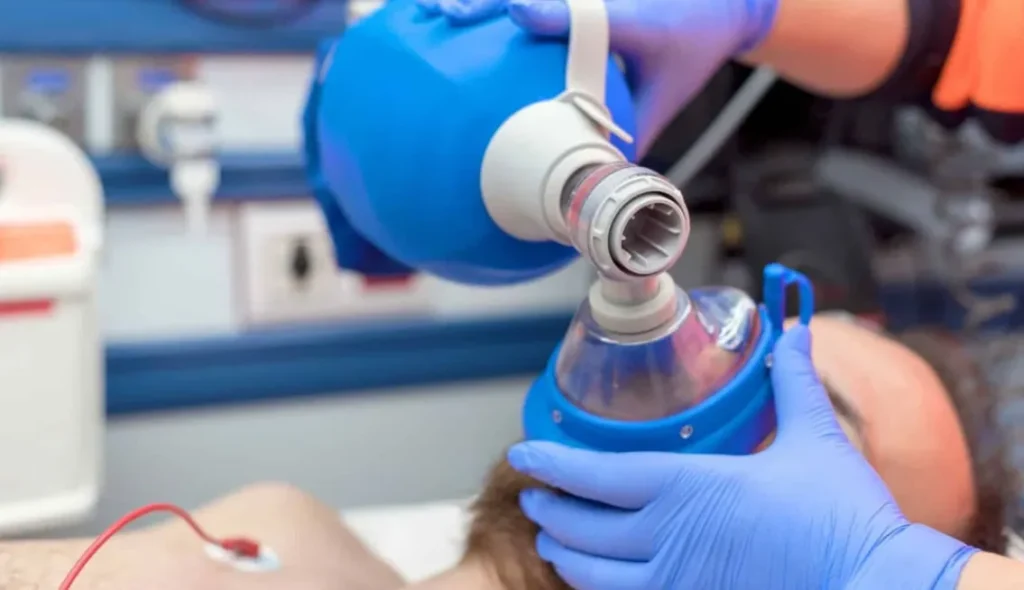
If you’re responsible for other people during an emergency, you need BLS certification. It teaches you how to recognize life-threatening situations fast. You’ll learn how to give strong chest compressions, provide proper breaths, and use an AED right away. Here’s how the certification assists in specific emergency preparedness roles
- First-Aid Coordinators: Require BLS skills to perform lifesaving care like CPR before medical help arrives.
- Safety Officers: Need BLS certification to meet safety standards and respond to workplace medical crises.
- Disaster Volunteers: Must be BLS-trained to assist effectively in emergencies with limited medical resources.
- Emergency Response Team Members: Apply BLS to stabilize victims prior to the arrival of professionals.
- School Emergency Coordinators: Require BLS to provide care for student and staff emergencies, such as choking or cardiac arrest.
- Event Safety Managers: Implement BLS to manage emergencies at crowded events where the risk is high.
- Industrial Safety Supervisors: Equip BLS skills to respond to cardiac emergencies from workplace accidents.
- Facility Managers: Require BLS to ensure compliance with the safety codes and respond quickly in public spaces.
- Security Personnel: Use BLS to handle cardiac events during high-stress or security incidents.
- Camp Directors and Outdoor Leaders: Need BLS to manage remote emergencies far from medical help.
How Often Do You Need to Renew and Keep Skills Sharp?
As per AHA guidelines, BLS certification is only valid for two years. Hence, you need to get renewed periodically to maintain your emergency preparedness credentials. However, maintaining credentials goes beyond formal renewal.
If you are a part of an emergency response team, be sure to practice cardiopulmonary resuscitation (CPR) and automated external defibrillator (AED) procedures once a month with hands-on training, participate in workplace emergency drills, and take refresher courses every year.
How to Avoid Common BLS Certification Mistakes
To get certified in basic life support, you need to understand the common avoidable mistakes that can delay or complicate the process. Here are some potential complications you may encounter during the certification and renewal processes.
Choosing the Wrong Certification Providers
Always check with your employer or licensing body before enrolling. Your employer may require specific providers like the American Heart Association (AHA) or the American Red Cross.
Failing to Plan for Renewal
When you let your BLS certification expire, it could cause employment issues, licensing problems, and emergency response liability. So, always plan your BLS renewal online when your current certification is due to expire. Pre-planning will give you adequate time to prevent any complications and ensure ongoing credentials.
Insufficient Skills Practice
Passing a written test isn’t enough. Learning without practical skill development limits your emergency response. Your certification requires both knowledge and a physical competency demonstration through a skills check.
Overlooking State or Professional Requirements
State licensing boards have specific requirements that may differ from employer standards. For example, to earn DANB certification, you will need to hold a current CPR, BLS, or ACLS certificate. Your certification must meet both professional and regulatory requirements to maintain compliance.
Enroll in a BLS Course to Elevate Your Career
If you are working in an organisation where you are responsible for saving lives in an emergency, then you are most certainly required to get certified in Basic Life Support. BLS training provides you with the technical skills, confidence, and legal protection needed to respond promptly. Make sure to renew your credentials every two years before they expire to avoid any lapses and stay current with the updated guidelines.
Want to get an instant BLS certificate upon completion? Enroll in an online BLS course today and learn life-saving skills with flexible scheduling, comprehensive training, and the convenience of learning from the comfort of your home.