
Construction projects move quickly. Designs change, teams change, and risks change.
Without strong communication, small misunderstandings can turn into major delays. Missed information can place people at serious risk.
In Construction Design and Management (CDM) projects, clear communication is not only helpful but also essential. It ties the project together, protects lives and keeps work on schedule. Effective building construction project management relies on timely updates and coordination between all stakeholders, ensuring everyone stays aligned with project goals.
This article explains why communication is so critical in CDM work and offers practical strategies that managers can use to keep teams informed and connected at every stage.
Why Communication is Critical in CDM Projects
CDM projects bring together a wide range of people. Architects, designers, contractors, suppliers and workers all play different roles, with different pressures and priorities.
Getting everyone aligned takes effort. It does not happen by accident.
Poor communication leads to serious problems. Designs are misinterpreted, risks are overlooked, workers arrive without the right equipment, and time and money are wasted.
Good communication ensures that everyone understands the plan, knows the key risks, and knows who to speak to when circumstances change.
Under the Construction (Design and Management) Regulations 2015, communication is a legal requirement. Clients, Principal Designers and Principal Contractors each have specific duties to manage and share information effectively.
Learning how these roles fit together is vital. Good managers understand how to deliver the right information to the right people at the right time.
This is where online Construction Design and Management training proves valuable. It teaches managers how to meet their duties properly, what must be shared, when it must be shared, and how to ensure information is properly received and understood. Training gives managers the tools to build safer, more efficient projects through clear communication.
Key Communication Duties Under CDM 2015
The CDM Regulations set out clear requirements around communication.
Clients must provide relevant project information at the earliest opportunity. This includes details about the site, known risks from nearby structures, and existing health and safety files. Early sharing of this information is vital before work begins.
Principal Designers are responsible for coordinating pre-construction information. They must ensure all designers understand the risks and share information with those who need it.
Principal Contractors take responsibility during the construction phase. They must coordinate contractors, provide updates, and inform workers about changes, site-specific risks and safety rules.
Everyone involved has a duty to communicate about risks clearly and promptly. No assumptions should be made, and no important information should be withheld.
Establishing clear communication lines, assigning clear roles, and delivering clear messages are all key to moving CDM projects forward safely and efficiently.
Common Communication Challenges in CDM Projects
Even the best-run projects encounter communication challenges.
Teams often work in silos, with designers failing to pass updates to contractors and contractors not informing design teams about site changes. In these gaps, critical risks can be missed.
Sometimes assumptions are made that “someone else will tell them”, but no one does. Emails become overwhelming and important instructions are lost. Language barriers and cultural differences can also cause misunderstandings. Workers may not feel confident enough to ask questions or seek clarification.
On busy sites, small mistakes can easily slip through unnoticed. Yet, in construction, small mistakes can have serious consequences.
Recognising these risks early and putting clear processes in place is essential. Managers need to plan for communication challenges, not react to them.
Practical Strategies for Improving Communication on Site
Communication should be an integral part of the build, not an afterthought.
Regular, structured meetings help to maintain clear communication. Short daily briefings, weekly design reviews, and monthly risk updates keep teams aligned and focused.
Simple, clear language should be used throughout. Jargon should be avoided, instructions should be concise, and information should be focused on what workers need to know to perform their tasks safely.
Written records are important. Summarising meetings, sharing action lists, and sending reminders ensures key points are not forgotten.
Visual tools also play a crucial role. Diagrams, maps, risk boards and clear signage help convey important messages quickly and effectively.
Perhaps most importantly, communication should be two-way. Workers must feel comfortable asking questions, raising concerns and sharing observations. Creating an open, respectful environment encourages vital feedback and keeps information flowing properly.
Simple steps, applied consistently, make sites safer, more efficient and better connected.
How Training Supports Better Communication
Good communication is a learned skill, not something that happens naturally.
Training supports managers and workers to understand what clear communication looks like. It builds confidence to speak up, to listen properly, and to give and receive instructions clearly.
New starters must understand communication processes from day one. Experienced teams benefit from refresher training to avoid the development of bad habits.
Training also prepares workers and managers for more difficult conversations, such as raising concerns about unsafe practices. Addressing these situations properly is just as important as formal communications in meetings.
Short, focused communication skills courses, especially those tailored to construction environments, can make a noticeable difference. They prepare teams for the realities of busy sites and foster a culture where people are confident to communicate openly and effectively.
A site where communication is strong is a site where mistakes are reduced.
Building a Communication Plan for CDM Projects
A good communication plan should be in place from the beginning of the project.
The plan should answer important questions: who needs updates, how often they should be given, in what format, and who is responsible for approving and distributing information. It should also detail how risks are shared among the workforce.
Without a structured plan, critical updates can be missed, teams waste time chasing information, and confusion about responsibilities arises.
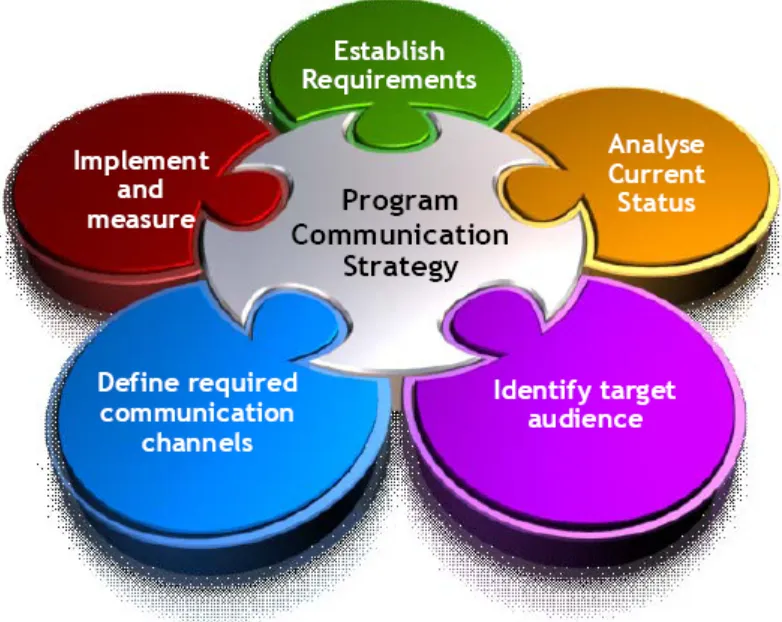
The communication plan must cover every phase of the project, from pre-construction through to handover. It should be flexible enough to adapt to project changes and must be actively shared with all relevant parties, not simply filed away.
A living communication plan helps teams stay aligned, even under pressure.
Best Practices for Maintaining Communication Standards
Consistency is vital for maintaining good communication.
Use simple, everyday language across all communications. Speak clearly and write clearly. Avoid long, complex instructions that confuse rather than inform.
Key messages must be repeated regularly. Safety updates, design changes and risk information need to be shared multiple times and in multiple ways to ensure they are absorbed.
A mixture of formal and informal communication methods works best. Toolbox talks, informal catch-ups, posters and regular reminders all help reinforce important information.
Checking understanding is crucial. Rather than simply asking “Any questions?”, encourage workers to repeat back key points to confirm they have understood.
Communication standards must be reviewed regularly. After meetings, following incidents, and after significant project changes, managers should ask: “Did everyone get the message?”
Good communication is not a one-time effort; it’s a daily habit that protects workers and keeps projects running smoothly.
Wrapping Up
CDM projects are complex, fast-moving environments. Without clear communication, mistakes occur, risks increase, and projects slow down.
Strong communication keeps everyone safe. It ensures work flows properly and builds trust between teams.
Managers have the opportunity to set the tone — to lead by example and to create sites where communication is reliable and effective.
Every conversation, every briefing, and every quick check-in matters.
In construction, good communication is not a luxury. It is the foundation of safe, successful projects.