
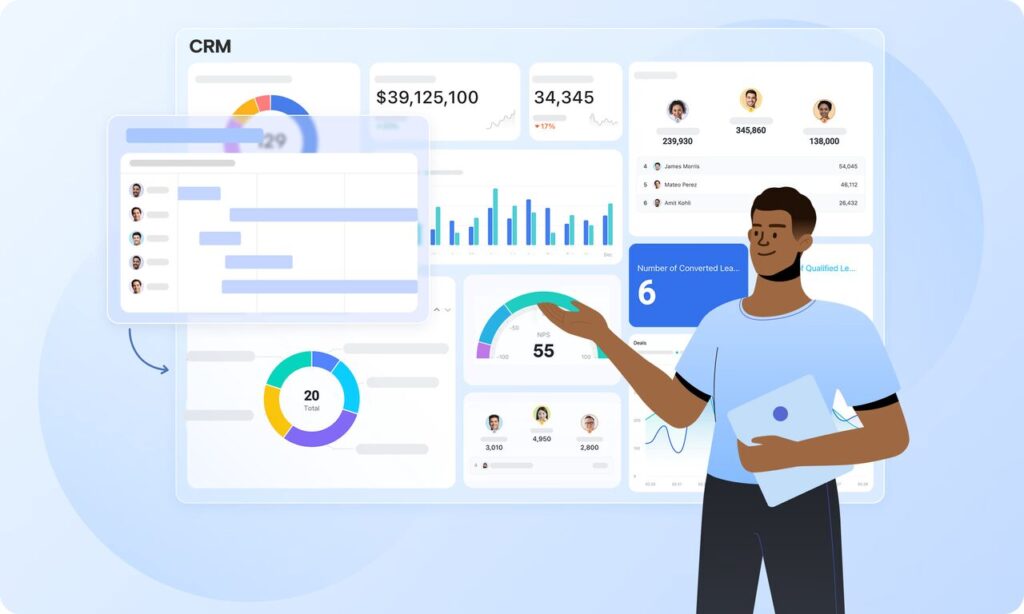
Speed alone isn’t enough—clarity is the real advantage. Modern teams need to see, understand, and act in sync, no matter where they work. The challenge isn’t a lack of tools, but a lack of connection between them. That’s where unified platforms like Lark redefine what visibility means. They bring communication, data, and accountability together in one space, giving leaders and teams the power to move with precision and confidence.
From managing relationships with a CRM app to coordinating complex operations across departments, visibility is what turns motion into progress. Let’s explore how clarity—when built into every part of the workspace—becomes the foundation for smarter, more human collaboration.
Lark OKR: Seeing the bigger picture
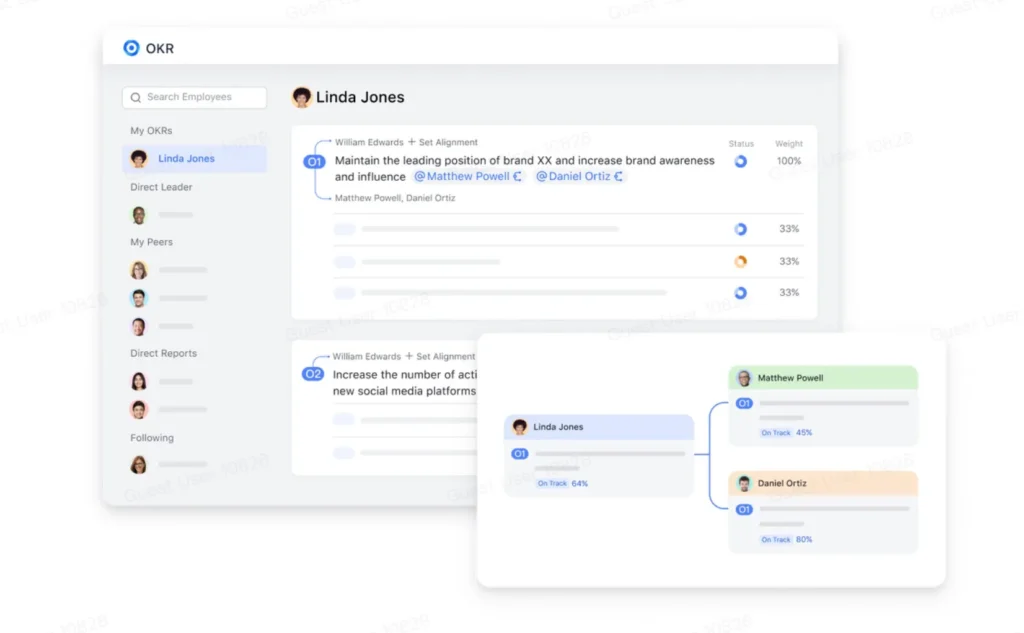
Visibility begins with purpose. Lark OKR gives teams a transparent way to link daily work with company-wide goals. Leaders can define measurable objectives, and teams can attach their own key results, ensuring everyone understands how their work contributes to the mission.
When progress updates happen automatically, there’s no confusion about performance or priorities. A marketing team can, for example, track its quarterly targets while viewing how those results support organizational growth. Real-time charts, shared dashboards, and live updates make strategic alignment visible—so decisions are based on data, not assumptions.
Clarity isn’t just about knowing what to do; it’s about seeing why it matters.
Lark Messenger: Communication that creates visibility
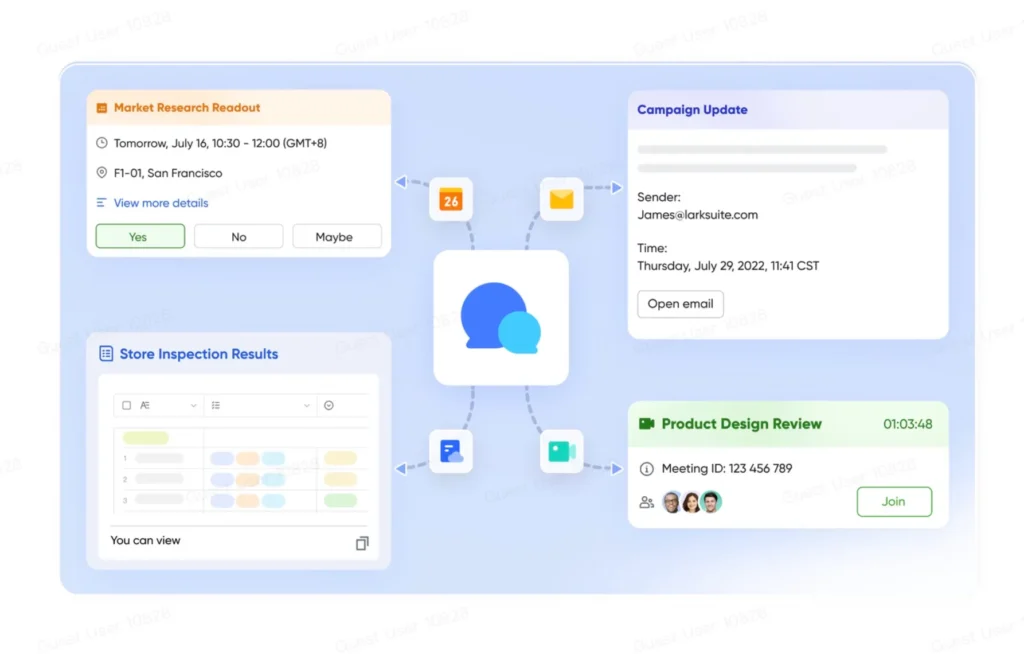
Great communication makes invisible work visible. Lark Messenger ensures that every conversation has context—connecting discussions directly to projects, files, and actions.
When a project manager mentions a new initiative, teammates can attach related Docs, add deadlines, or create tasks instantly. No more searching across chats or emails to find what was decided. A message thread becomes a living record of collaboration.
For distributed teams, Messenger’s features—like pinned summaries and smart translation—keep everyone aligned regardless of time zone or language. The result is clarity that travels across departments and borders.
Lark Calendar: Transparency in time
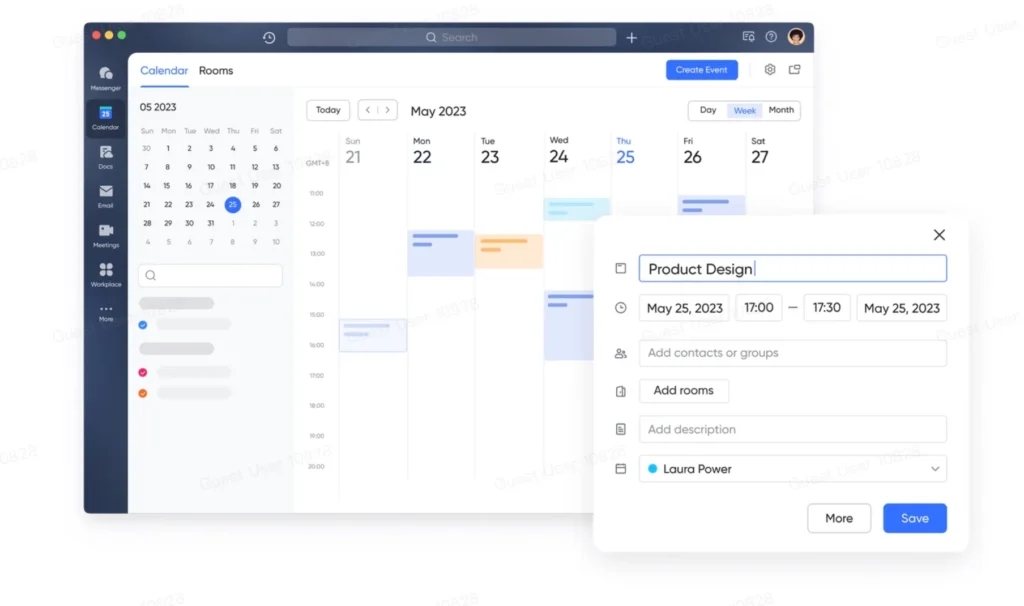
Time is the most overlooked element of visibility. Lark Calendar transforms scheduling into a shared map of team activity. With a glance, leaders and teammates can see what’s happening across the organization—meetings, project deadlines, and overlapping priorities.
When a design review shifts or a client call is postponed, related events and tasks automatically adjust. This dynamic scheduling prevents confusion, ensures smooth coordination, and helps everyone focus on the right priorities at the right time.
Calendar doesn’t just organize—it reveals how time connects to outcomes, giving teams a unified sense of motion.
Lark Docs: A shared space for evolving ideas
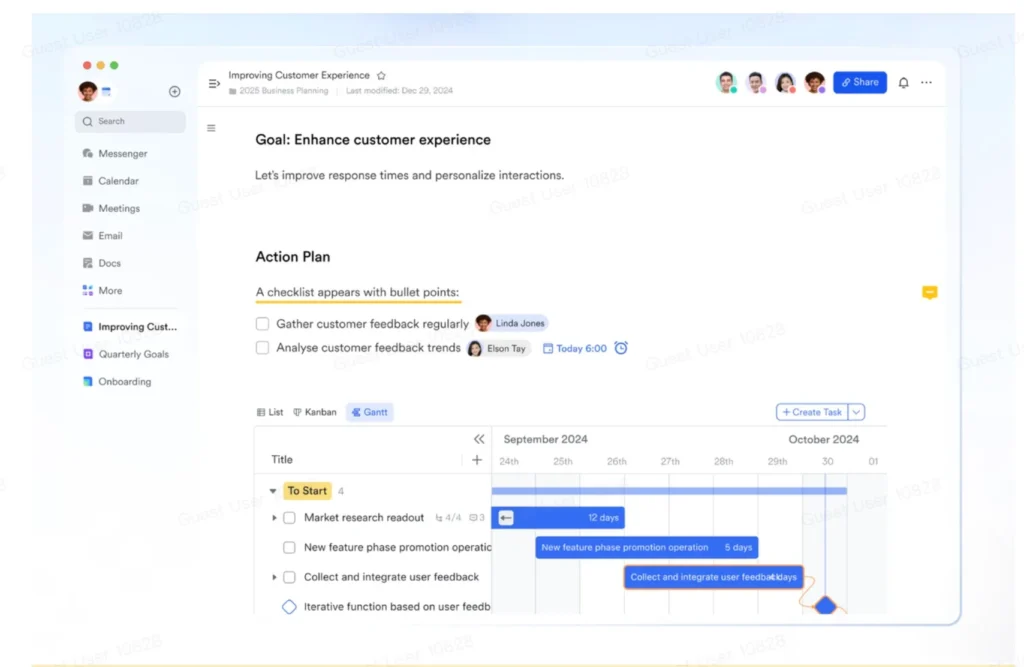
Visibility also depends on shared understanding. Lark Docs provides a single space where teams co-create ideas, track revisions, and document progress in real time.
Instead of sending static files back and forth, everyone edits the same document, adding comments, suggestions, and visuals in context. A product roadmap, for instance, can evolve collaboratively—with designers, developers, and marketers shaping it together.
Each change is tracked, every insight stays visible, and decisions are documented transparently. Docs makes teamwork tangible, turning collaboration into a continuous flow of clarity.
Lark Approval: Fast, visible decision-making
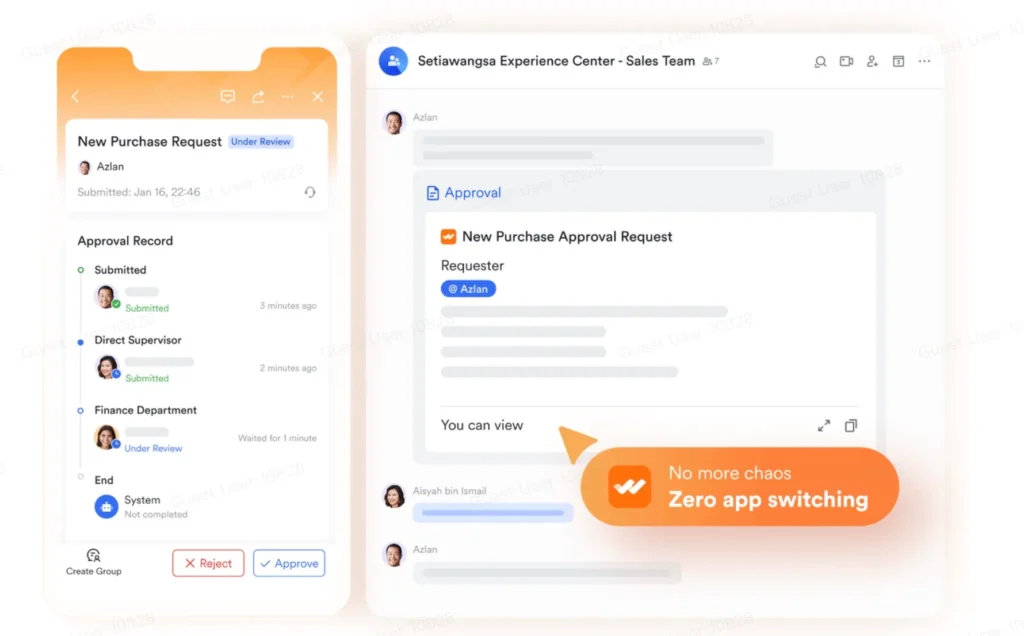
Bottlenecks thrive in the dark. Lark Approval brings decision-making into the light with customizable forms and automated routing. Teams can submit requests that move instantly to the right reviewer—no follow-up emails, no waiting.
A manager can approve or comment on proposals directly, while everyone involved sees real-time updates on the approval status. This visibility builds trust—employees know where things stand, and leaders stay confident that processes keep moving.
With transparency at every step, decisions no longer disappear into email threads.
Lark Wiki: Making knowledge universally visible
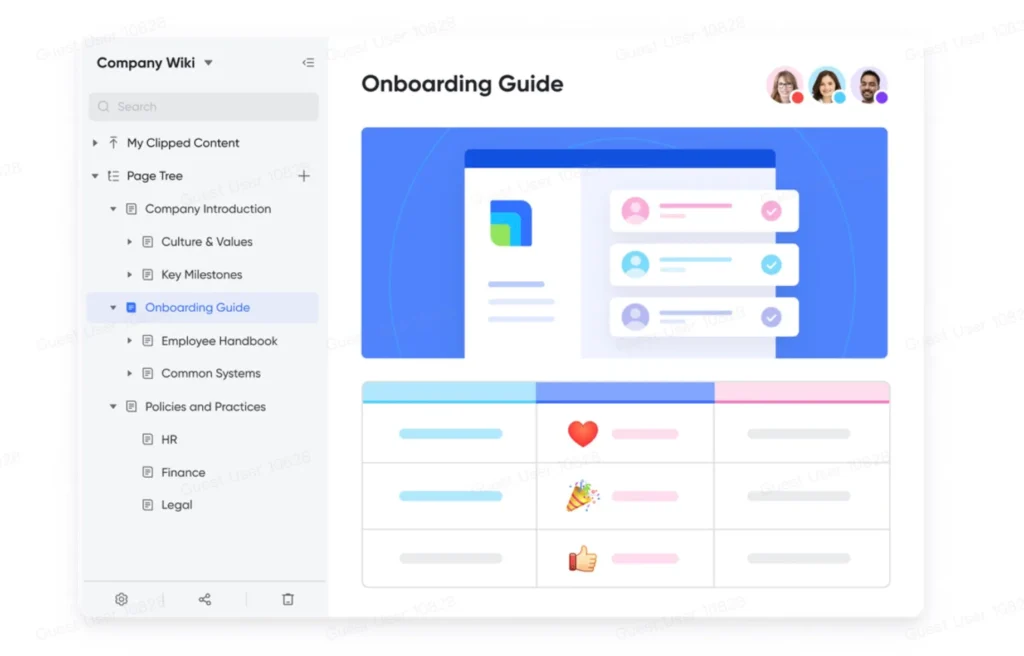
When information hides in private folders or chat logs, teams repeat mistakes and lose efficiency. Lark Wiki solves this by creating a living, open-access knowledge base where everyone contributes and learns.
Departments can document workflows, project outcomes, and internal best practices—ensuring that insights are always available to those who need them. For new hires, Wiki becomes a self-guided onboarding tool; for experienced employees, it’s a reference hub for process clarity.
By democratizing knowledge, leaders turn individual expertise into shared intelligence.
Lark Base: Visibility through connected data
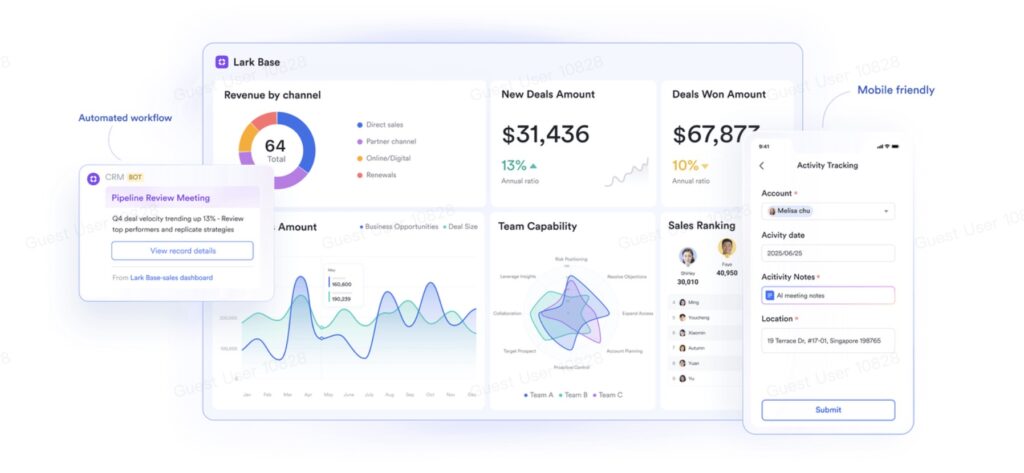
At the core of visibility lies data—but data without structure is chaos. Lark Base helps teams visualize operations through interactive tables, dashboards, and automated updates.
A customer success team can track account health, renewal cycles, and engagement insights—all connected to live information from the organization’s systems. Automated reminders and rules ensure that when one variable changes, everyone sees it instantly.
With its adaptable setup, Base functions like next-generation project management software, giving teams full operational visibility without requiring separate tools. It’s not about more data; it’s about smarter data flow.
Lark Tasks: Turning transparency into accountability
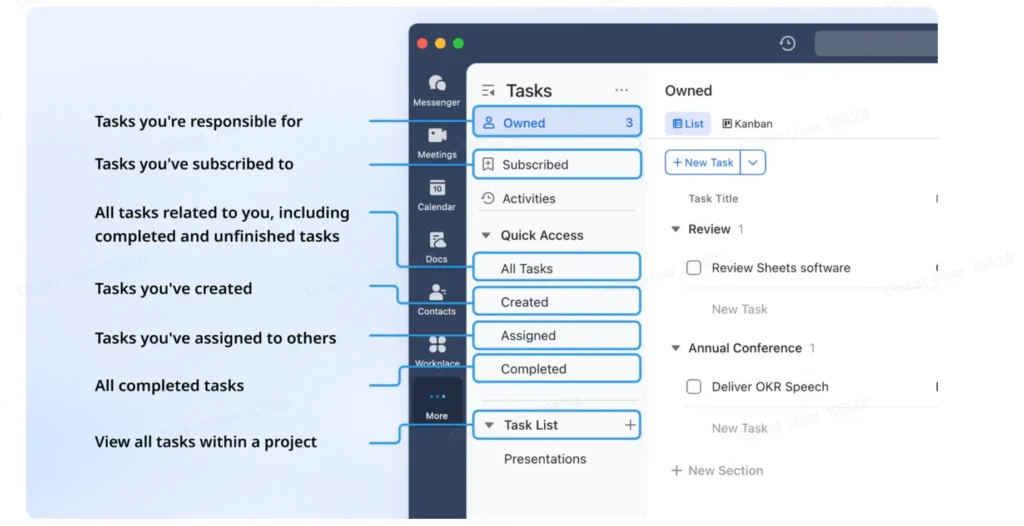
Visibility only creates impact when paired with accountability. Lark Tasks gives every team member a clear sense of ownership and progress.
Tasks can be created from messages, meetings, or documents—and each comes with deadlines, dependencies, and status updates. A team leader can view project progress in real time, see where support is needed, and reassign responsibilities instantly.
This visibility encourages initiative rather than oversight. When everyone knows the plan and progress, they can act confidently—without waiting for managerial checkpoints.
Lark Mail: Bringing external visibility into internal focus
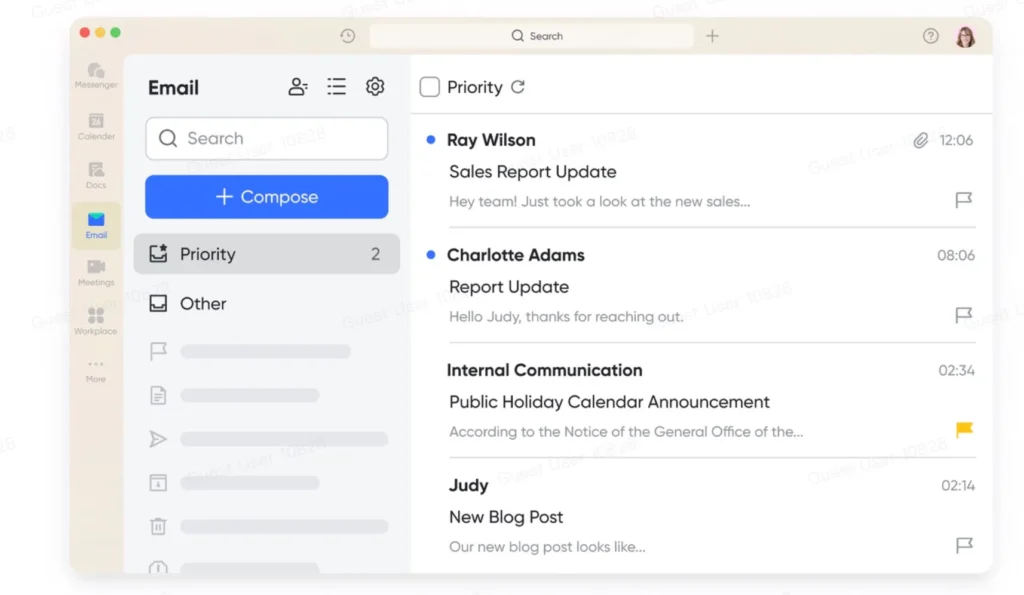
Work doesn’t happen in isolation. Lark Mail ensures that client and partner communication is visible within the same workspace where teams collaborate.
If a client sends an update, it can be shared directly in Messenger. Project updates can then sync with team calendars or trigger a new task—maintaining a unified flow between external correspondence and internal execution.
Leaders no longer need to ask, “Did anyone see that email?”—because with Mail, visibility extends beyond the organization.
Lark Meetings: Where clarity meets collaboration
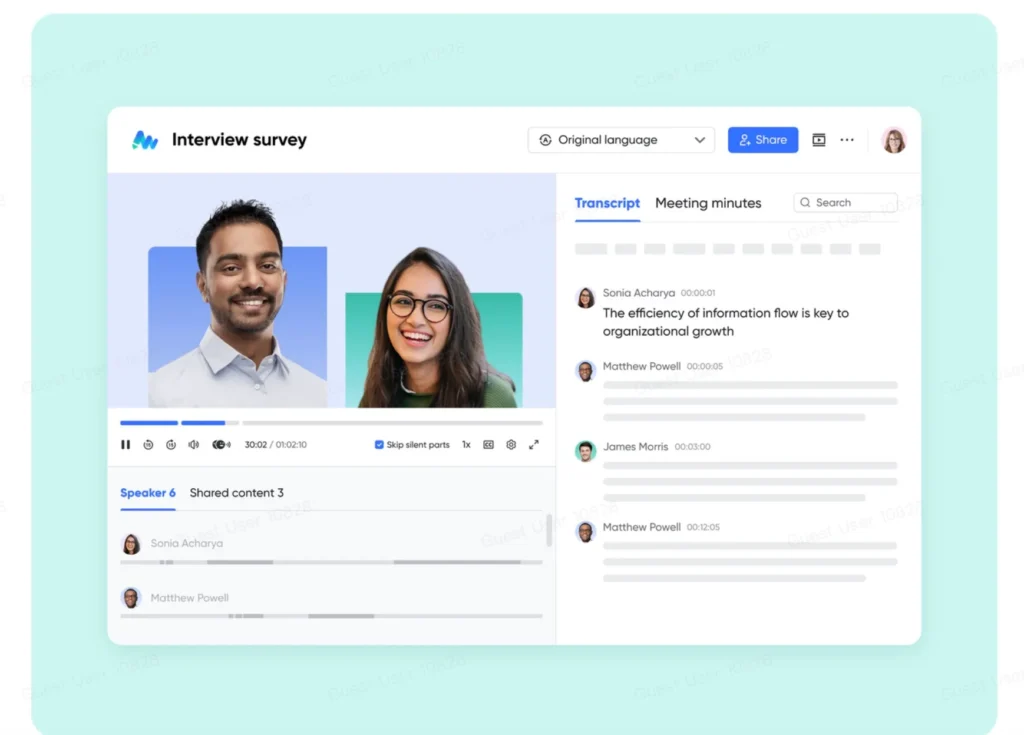
When meetings end without outcomes, visibility fades. Lark Meetings makes sure every discussion turns into defined actions. Teams can start meetings directly from chats, co-edit Docs during calls, and assign follow-up tasks before the session ends.
The meeting recording, notes, and related materials all save automatically within the workspace. Everyone—even those who couldn’t attend—gains full context instantly.
By transforming meetings into connected, outcome-oriented events, leaders ensure that every conversation adds to collective clarity.
Conclusion
Visibility isn’t about surveillance—it’s about empowerment. When teams understand what’s happening, why it matters, and how their work contributes to the whole, they make better decisions and collaborate more freely.
Platforms like Lark make this possible by turning scattered data and disjointed communication into unified clarity. From building stronger customer relationships through a CRM app, to aligning departments with intuitive project management software, and improving collaboration with the best project management tools, visibility becomes the catalyst for agility, innovation, and trust.
Because when clarity moves with the team—not behind it—organizations stop reacting and start leading.