
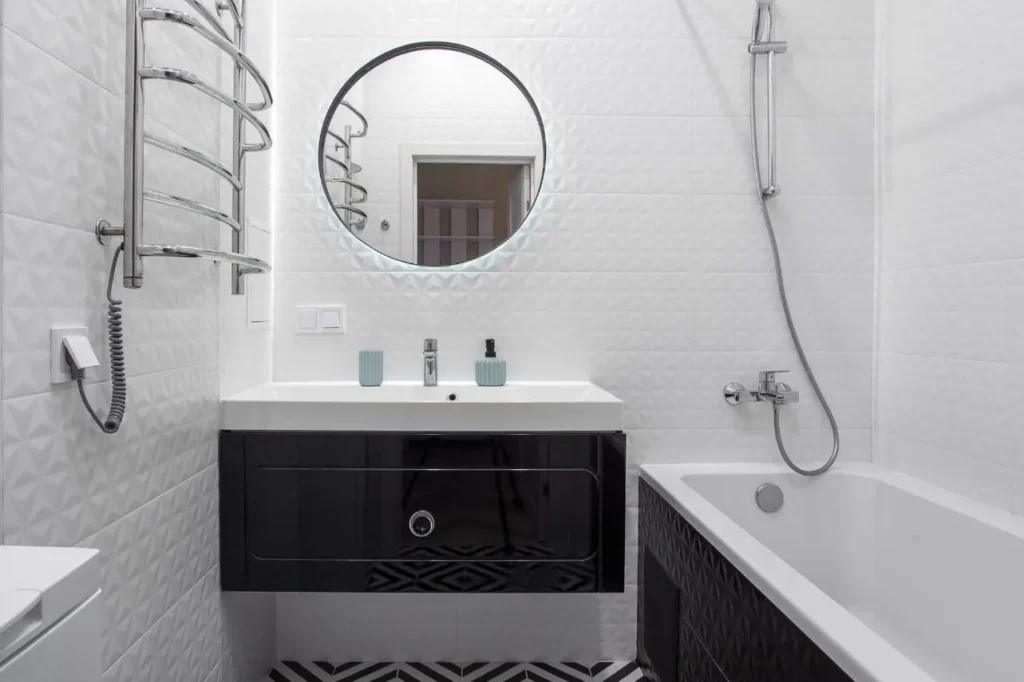
Living in New York City requires a certain level of resilience. You trade square footage for location, walk-up stairs for neighborhood charm, and silence for the vibrant energy of the streets. But when it comes to your home, specifically the bathroom, the trade-offs can feel particularly acute. The bathroom is often the only room in a Manhattan apartment with a lock on the door—a singular sanctuary where the chaos of the city melts away.
Creating that sanctuary, however, is a distinct challenge. Remodeling a bathroom in Manhattan is fundamentally different from renovating a home in the suburbs or even in other boroughs. It involves a complex web of logistics, bureaucracy, and architectural quirks that can surprise even seasoned homeowners. Understanding these unique friction points is essential for anyone looking to upgrade their space, as the process is less about choosing tile samples and more about navigating the specific ecosystem of New York real estate.
The Gatekeepers: Co-op and Condo Boards
In most parts of the country, renovating a bathroom starts with a contractor and a permit. In Manhattan, it starts with a board package. Whether you live in a cooperative or a condominium, the board holds the keys to your renovation.
Co-op boards are notoriously strict. Their primary concern is the integrity of the building and the comfort of other shareholders. Before a hammer swings, you will likely need to submit a comprehensive alteration agreement. This document outlines the scope of work, insurance requirements for your contractor, and strict timelines for completion.
Reviewing the alteration agreement is the most critical first step. Many buildings have specific “wet over dry” rules. This regulation prohibits expanding a bathroom (a “wet” space) over a “dry” space (like a bedroom or living room) in the apartment below. If your dream renovation involves knocking down a wall to double the size of your master bath, the building’s original plumbing stack layout might make that legally impossible.
The Logistics of Vertical Construction
Renovating a detached house involves parking a dumpster in the driveway and carrying materials through the front door. In Manhattan, verticality changes everything.
Getting materials into your apartment and debris out of it is a logistical puzzle. If you live in a walk-up, labor costs will increase significantly because every tile, tub, and bag of cement must be carried up by hand. If you are in an elevator building, you are often at the mercy of the service elevator schedule.
Contractors cannot simply work until the job is done. Most Manhattan buildings enforce strict work hours, typically between 9:00 AM and 4:00 PM on weekdays, with no work allowed on weekends or holidays. This compressed schedule means that a renovation that might take three weeks in the suburbs could stretch to six or eight weeks in the city. When planning your timeline, it is vital to account for these rigid operational hours.
Navigating Pre-War Plumbing and Electrical
Manhattan is famous for its pre-war architecture. Thick walls, high ceilings, and solid construction are major selling points. However, what lies behind those plaster walls is often a century-old infrastructure that has not been touched since the roaring twenties.
Opening up a wall in a Manhattan bathroom often reveals surprises. You may find galvanized steel pipes that are rusting from the inside out or outdated electrical wiring that cannot support modern amenities like heated floors or towel warmers.
In many cases, the building will require you to replace the “branch lines”—the pipes that connect your fixtures to the building’s main risers—back to the source. This is a preventative measure for the building to stop future leaks, but it adds a line item to your budget that doesn’t result in a visible aesthetic improvement. It is the hidden tax of renovating in a historic city.
The Cost of Space Optimization
Because square footage is the most valuable commodity in Manhattan, bathroom renovations here focus heavily on efficiency. In a suburban home, a vanity might be chosen for its style. In a Manhattan apartment, it is chosen for its millimeter-perfect fit.
This necessity drives the cost of materials and design. Custom millwork is often required to utilize awkward alcoves or uneven walls found in older buildings. Standard-sized vanities from big-box stores simply may not fit in a bathroom that measures 5 feet by 7 feet.
Consequently, design trends in the city favor European-style wall-mounted toilets and floating vanities. These fixtures expose more floor area, creating the visual illusion of space. While they look sleek and modern, they also require more complex installation, including reinforcing the walls to hold the weight of the fixtures. This is another instance where the unique constraints of the city dictate both the design and the budget.
The Value Proposition
Despite the hurdles—the board approvals, the restricted hours, the elevator bookings, and the hidden plumbing costs—renovating a Manhattan bathroom remains one of the highest return-on-investment projects a homeowner can undertake.
In a market where buyers are discerning and inventory is competitive, an updated, spa-like bathroom signals that the property has been well-maintained. It alleviates the buyer’s fear of having to navigate the very renovation process outlined above.
Furthermore, the intangible value cannot be overstated. In a city that never sleeps, having a private, functional, and beautiful space to decompress is a luxury that justifies the logistical headache.
Planning for Success in the Concrete Jungle
Bathroom remodeling in Manhattan delivers a luxurious, highly functional space designed to enhance daily comfort, elevate your lifestyle, and maximize property value. If you are preparing to renovate, approach the project with eyes wide open. Labor costs in Manhattan are higher than the national average, reflecting both logistical challenges and the city’s cost of living for skilled tradespeople.
Patience is essential. Approvals can take months, and construction may be affected by building management and hidden conditions behind walls. By hiring a contractor and architect familiar with Manhattan renovations—experts who know how to navigate alteration agreements and communicate effectively with supers—you can minimize risks. The reward is a perfectly tailored bathroom oasis, thoughtfully crafted above the city streets, making every challenge along the way worthwhile.
Contact Info
Name: JSM Custom Remodels
Address: 205 Hudson St #730, New York, NY 10013
Phone: +13473055961
Email: [email protected]
Website: https://jsmcustomremodels.com/