
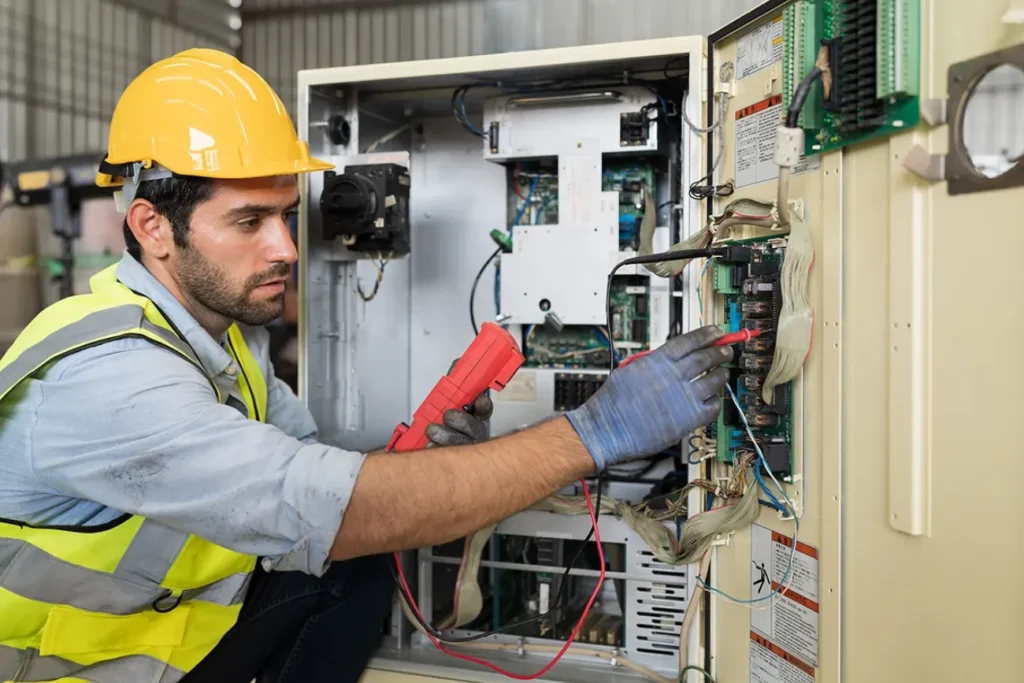
Electrical inspections play a vital role in keeping homes and buildings safe, functional, and compliant with current standards. While many electrical issues remain hidden behind walls or inside panels, inspections are designed to uncover potential risks before they develop into serious hazards. Electricians approach inspections methodically, examining how power enters a property, how it is distributed, and how individual components perform under normal conditions. These checks help identify aging parts, improper installations, and capacity issues that may affect safety or reliability. Rather than focusing on surface-level issues, inspections provide a deeper understanding of the electrical system’s overall condition and its ability to support daily use.
Purpose of an Electrical Inspection
- Service Panels and Power Distribution
One of the first areas electricians check during an electrical inspection is the main service panel. This panel serves as the control center for the entire electrical system, distributing power to circuits throughout the property. Electricians examine the panel for signs of wear, corrosion, overheating, or loose connections that could interrupt power flow or create safety risks. They verify that breakers are correctly sized for the circuits they protect and that labeling accurately reflects circuit use. An overloaded or outdated panel may struggle to support modern electrical demand, increasing the risk of tripped breakers or overheating. Electricians also review grounding and bonding within the panel to ensure fault currents have a safe path. Companies such as JDV Electric emphasize careful panel evaluation because many system-wide issues originate there. A thorough panel check establishes the foundation for a reliable inspection.
- Wiring Condition and Circuit Integrity
Electricians spend significant time assessing the condition of wiring during inspections. Wiring integrity affects both safety and performance, especially in older properties where materials may have deteriorated. Electricians look for damaged insulation, improper splices, or wiring that does not meet current standards. They also verify that circuits are properly routed and secured, reducing the risk of physical damage. Circuit integrity testing helps determine if power flows consistently without unexpected resistance or voltage drops. Electricians may identify overloaded circuits due to added appliances or renovations. By reviewing wiring conditions, inspections help prevent electrical fires and ensure the system can handle present and future demands without strain.
- Outlets, Switches, and Connection Points
Another key focus during electrical inspections is on outlets, switches, and other connection points. These components are used daily and are often the first to exhibit electrical issues. Electricians test outlets to confirm proper polarity, grounding, and secure connections. Loose or worn outlets can generate heat, increasing the risk of failure. Switches are checked for smooth operation and signs of arcing or overheating. Electricians also verify that outlet placement complies with current safety standards, especially in areas prone to moisture. These checks ensure that everyday interactions with the electrical system remain safe and reliable, reducing the chance of shocks or interruptions.
- Grounding, Bonding, and Safety Pathways
Grounding and bonding are essential for protecting people and property from electrical faults, and electricians carefully evaluate these systems during inspections. Grounding provides a safe path for excess electrical current, while bonding ensures that metal components share the same electrical potential. Electricians confirm that grounding electrodes are present, securely connected, and appropriate for the system size. They also check bonding connections between panels, pipes, and structural elements. Improper grounding can allow electrical current to flow through unintended paths, increasing the risk of electric shock. By verifying these safety pathways, electricians help ensure that faults are directed safely away from occupants and equipment.
- Lighting, Fixtures, and Load Balance
Electrical inspections also include reviewing lighting circuits and fixtures. Electricians check that fixtures are securely mounted, properly wired, and compatible with the circuit load. Overloaded lighting circuits can lead to frequent breaker trips or overheating. Electricians assess whether lighting loads are balanced across circuits to prevent uneven demand. They also inspect recessed and enclosed fixtures to ensure adequate clearance and ventilation. Proper lighting inspection supports both safety and functionality, ensuring that fixtures operate reliably without stressing the electrical system.
- Compliance, Documentation, and Future Planning
Beyond identifying immediate issues, electricians use inspections to evaluate overall system compliance and readiness for future needs. They compare existing installations with current electrical standards and highlight areas that may require updates. Documenting inspection findings helps property owners understand system condition and plan upgrades incrementally. Electricians may note capacity limitations that could affect future renovations or the addition of appliances. This forward-looking approach turns inspections into planning tools rather than reactive checks. Clear documentation also supports property transactions and insurance requirements by providing verified system information.
Electrical inspections provide a comprehensive review of how safely and effectively an electrical system operates. Electricians examine service panels, wiring, outlets, grounding, lighting, and overall system balance to identify risks and inefficiencies. These checks help prevent hazards, improve reliability, and support long-term planning. Inspections are not about finding faults alone but about understanding system health as a whole. By addressing issues early and documenting system conditions, electricians help property owners maintain safe, dependable electrical systems that support everyday living without unnecessary risk or disruption.