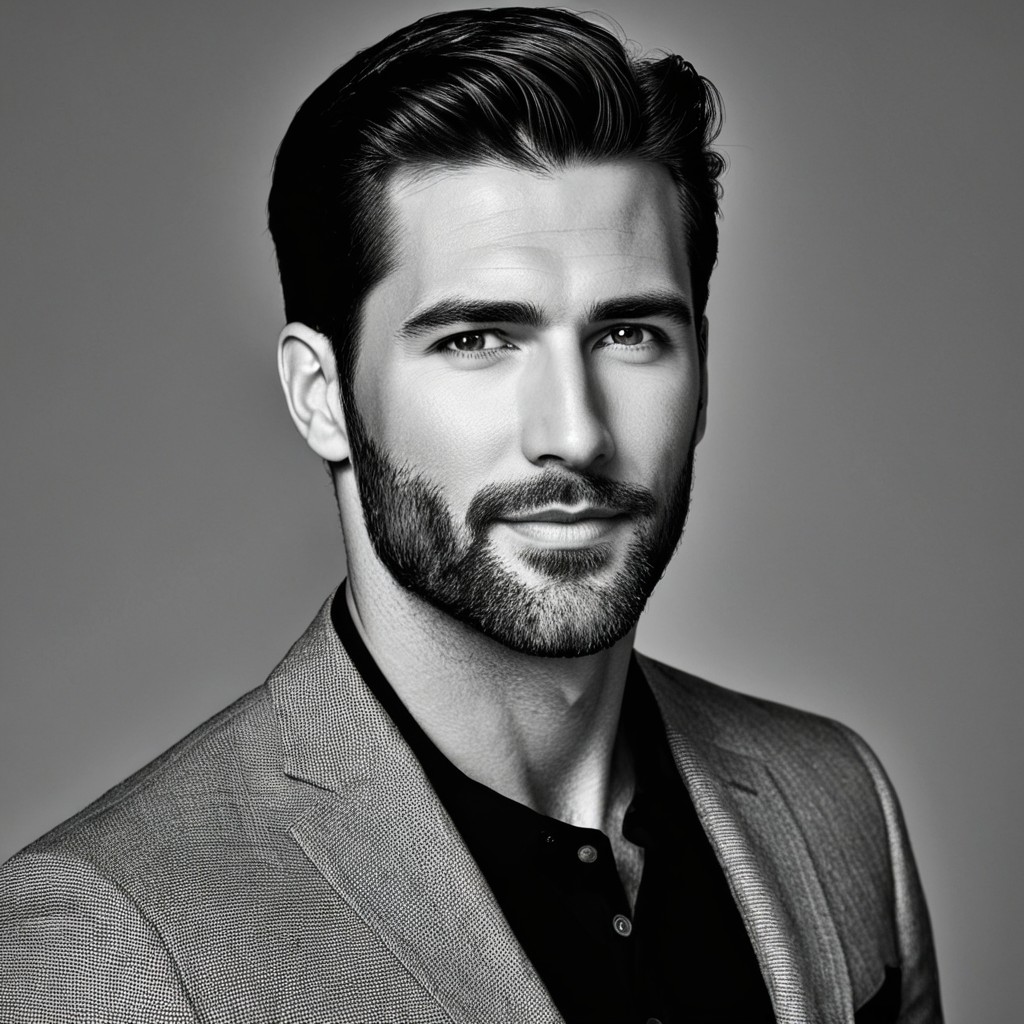

As video content keeps taking over pretty much every corner of the internet, creators are scrambling for faster, smarter ways to pump out videos that don’t look like they were made in a rush. Magic Hour’s AI face video generator jumps out as one of those tools that actually delivers both speed and creativity. It’s got two main modes—Quick Mode and Studio Mode—each catering to different levels of creative control and workflow needs. Knowing the difference between the two? That’s where people can really crank out their best work and make sure their content fits the bill, whatever the goal.
Quick Mode: Speed and Simplicity for Fast Content Creation
Quick Mode is basically the express lane for video creation. It’s built for those times when getting high-quality video out the door fast is more important than fussing over every single detail. Perfect for social media, quick product teasers, marketing blasts, or those personalized video shoutouts that seem to be all the rage lately. The secret sauce here is how the AI takes a single photo or avatar, tosses in a script or voice input, and spits out a talking, lifelike video in minutes.
No need to sweat backgrounds, lighting, or animation settings—the AI handles it all. Just pick a face, type up a message, and let the tech do the rest. It’s a dream for beginners or busy pros who have zero interest in learning video software. In real-world terms, think of a business needing to fire off dozens of personalized videos for an email campaign; Quick Mode means they can do it without breaking a sweat or losing sleep over quality.
Quick Mode shines brightest when speed trumps customization. There’s something to be said for a tool that lets teams pump out loads of content without getting bogged down in the details. Efficiency is the name of the game here, with just enough polish to keep things looking professional, not generic.
Studio Mode: Advanced Control for Professional Storytelling
Switching gears, Studio Mode is where serious creative control comes into play. This mode caters to users who want to call the shots on every detail of their video. While it uses the same AI face video generator, Studio Mode throws open the doors to deeper customization: scripting every sentence, setting the pace, picking backgrounds, fiddling with camera moves, and tweaking voice settings.
For those who want to get granular, Studio Mode lets users fine-tune facial expressions, add dramatic pauses, and orchestrate multiple characters in a single scene. Great for explainer videos, in-depth training content, or those branded ads that aim for a cinematic punch. Scene-building gets a boost with the ability to layer in product shots, animated text, voiceovers, and slick transitions. The result? Videos that look custom-made, not churned out by a template mill.
Content teams and marketers aiming for standout visuals will appreciate what Studio Mode brings to the table. It’s not just about looking good—it’s about telling a story, controlling the brand feel, and building videos that actually pull people in.
Choosing the Right Mode for Your Goals
Both Quick Mode and Studio Mode run on the same underlying AI face video generator tech, but the smart move is picking the right tool for the job. Tight deadlines or heavy content loads? Quick Mode saves the day by churning out videos at lightning speed. On the flip side, when storytelling, branding, or cinematic quality are top priorities, Studio Mode is the way to go.
For example, a real estate agent could use Quick Mode to introduce a new property with a short, personalized pitch—fast, easy, effective. Meanwhile, a digital agency working on a flashy new campaign could dig into Studio Mode to build a branded video with AI spokespeople, slick motion graphics, and carefully scripted dialogue. Having both options in the toolkit makes it easier to balance volume with quality.
Consistency Across Both Modes
Magic Hour’s AI face video generator doesn’t cut corners, no matter which mode is used. Facial animations stay smooth and believable—lip-syncing, eye movement, and gestures all come together to create that natural, human feel. This level of consistency is a major win for any team trying to scale content production without letting quality nosedive.
Whether it’s one video or a hundred, the AI keeps things looking sharp and engaging, building trust with viewers who expect more than just talking heads with stiff, weird faces. The reliability is one of the biggest draws, especially for businesses that need to keep their video output both high-quality and high-volume.
Conclusion
The main difference between Quick Mode and Studio Mode in Magic Hour boils down to a classic trade-off: speed versus control. Quick Mode is the go-to for fast, automated video generation that still looks sharp, while Studio Mode gives creators the freedom to shape every detail and push their videos to a higher level. Both modes fill a real need in today’s fast-moving world of content creation, allowing teams to strike the right balance between quality, turnaround time, and creative ambition. Magic Hour’s AI face video generator stands out as one of the most adaptable and reliable AI video tools on the market, ready to help creators hit their goals—whatever those might be.