
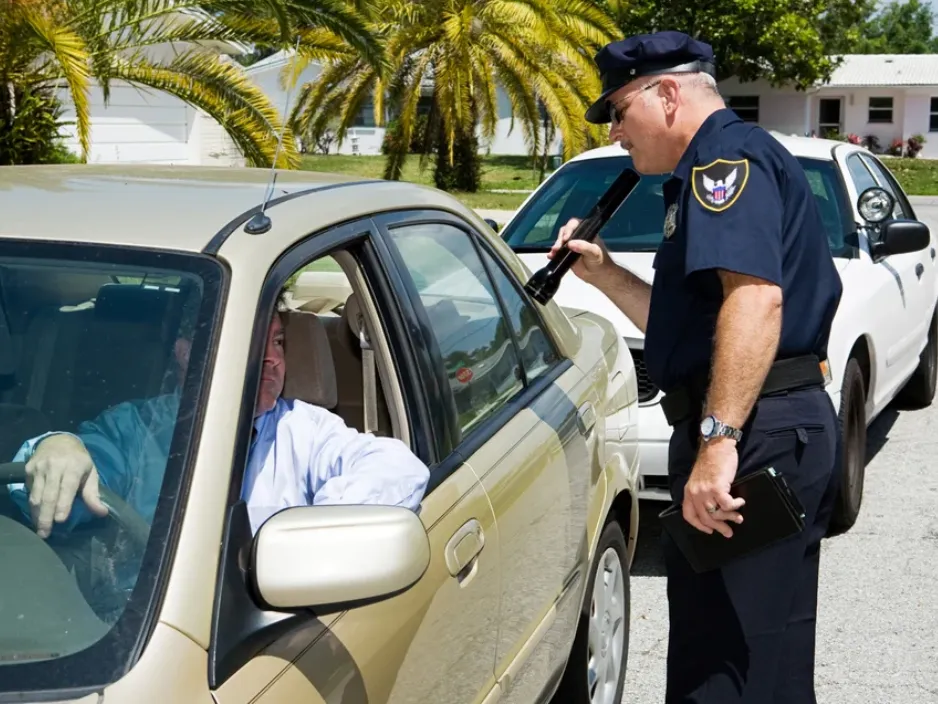
Driving is a daily activity for many, but a traffic stop—especially for suspected DUI—can quickly become stressful. Knowing why officers initiate these stops can help drivers stay informed and responsible.
Common Traffic Violations
Most DUI stops don’t start with an officer immediately suspecting a driver is impaired. Instead, they often begin with a simple traffic violation. Police need “reasonable suspicion” to pull a driver over, and breaking a traffic law provides just that.
Speeding
Exceeding the speed limit is one of the most frequent reasons for a traffic stop. Whether you’re driving significantly over the limit or just slightly too fast for the current road conditions, speeding catches an officer’s attention. While speeding itself doesn’t indicate intoxication, it gives police the legal justification to pull you over. During the stop, the officer will observe your behavior, look for signs of impairment like the smell of alcohol, and listen to how you speak.
Failure to Maintain Lane
Weaving, drifting, or swerving across lane lines is a major red flag for law enforcement. This driving pattern, often called “failure to maintain a single lane,” strongly suggests that the driver may be impaired, distracted, or overly tired. An officer observing this behavior will likely initiate a stop to assess the driver’s fitness to operate a vehicle. Even a single instance of drifting into another lane or onto the shoulder can be enough to warrant a stop.
Running a Red Light or Stop Sign
Disregarding traffic signals is a dangerous action that puts everyone on the road at risk. Failing to stop at a red light or a stop sign is a clear traffic violation that will almost certainly result in being pulled over. This type of mistake suggests a lack of attention or impaired judgment, which are common signs of intoxication.
Headlight or Taillight Issues
A broken headlight, taillight, or brake light might seem like a minor issue, but it’s a valid reason for a police officer to stop you. State laws require all vehicle lights to be in working order for safety. While a burnt-out bulb isn’t an indicator of drunk driving, it provides the necessary reasonable suspicion for an officer to initiate a traffic stop and then look for other signs of impairment.
Behavioral Indicators of Impairment
Beyond specific traffic violations, police officers are trained to spot certain driving behaviors that suggest a driver might be under the influence. These patterns often show a lack of coordination or poor judgment.
Erratic Driving Patterns
Erratic driving can include a wide range of behaviors. This might mean making unusually wide or sharp turns, braking without reason, or accelerating and decelerating abruptly. Driving significantly slower than the posted speed limit can also be a sign of impairment, as it suggests the driver is overly cautious to avoid making a mistake. These actions indicate that the driver is not in full control of their vehicle.
Slow or Delayed Responses
An impaired driver’s reaction time is often compromised. An officer might notice a driver taking too long to proceed when a light turns green or failing to respond to changing traffic conditions. This delayed reaction is a classic symptom of intoxication, as alcohol slows down the brain’s ability to process information and react accordingly.
Aggressive Driving
While some impaired drivers become overly cautious, others may become aggressive. This can manifest as tailgating, making unsafe lane changes without signaling, or displaying other forms of road rage. Aggressive driving is a clear danger to public safety and will quickly draw the attention of law enforcement.
DUI Checkpoints in Utah
In addition to patrolling for individual traffic violations, police departments often use DUI checkpoints to catch impaired drivers. In Utah, these checkpoints are legal but must follow specific rules to protect citizens’ rights.
Checkpoints are typically set up in areas with a history of alcohol-related incidents. All vehicles (or a predetermined sequence of vehicles, like every third car) are stopped, and officers briefly interact with each driver. The purpose is to look for signs of intoxication in a short, systematic way. If an officer develops a reasonable suspicion of impairment during this brief interaction, they can direct the driver to a secondary area for further investigation, including field sobriety tests.
What to Do If Stopped for a DUI
Being pulled over can be intimidating, but how you handle the situation can make a significant difference.
Remain Calm and Polite
Your first step should be to pull over safely as soon as possible. Turn on your interior light if it’s dark, keep your hands on the steering wheel, and be polite and cooperative with the officer. Antagonistic or rude behavior will only escalate the situation.
Know Your Rights
You have the right to remain silent. You are required to provide your license, registration, and proof of insurance. However, you are not obligated to answer questions about where you have been or whether you have been drinking. You can politely decline to answer these questions.
If an officer asks you to perform field sobriety tests or take a preliminary breathalyzer test, you generally have the right to refuse. However, under Utah’s implied consent law, refusing a chemical test (blood, breath, or urine) after a lawful arrest can lead to an automatic driver’s license suspension. Understanding the consequences of refusal is crucial, and it may be wise to speak with a legal professional. If you find yourself in this situation, you may want to consult with experts, like those DUI lawyers in Salt Lake City, to understand your options.
Conclusion
Understanding the reasons for DUI stops is not about learning how to avoid getting caught; it’s about promoting safer driving habits for everyone. The most common triggers for these stops—from simple traffic violations to erratic driving—are often preventable.