
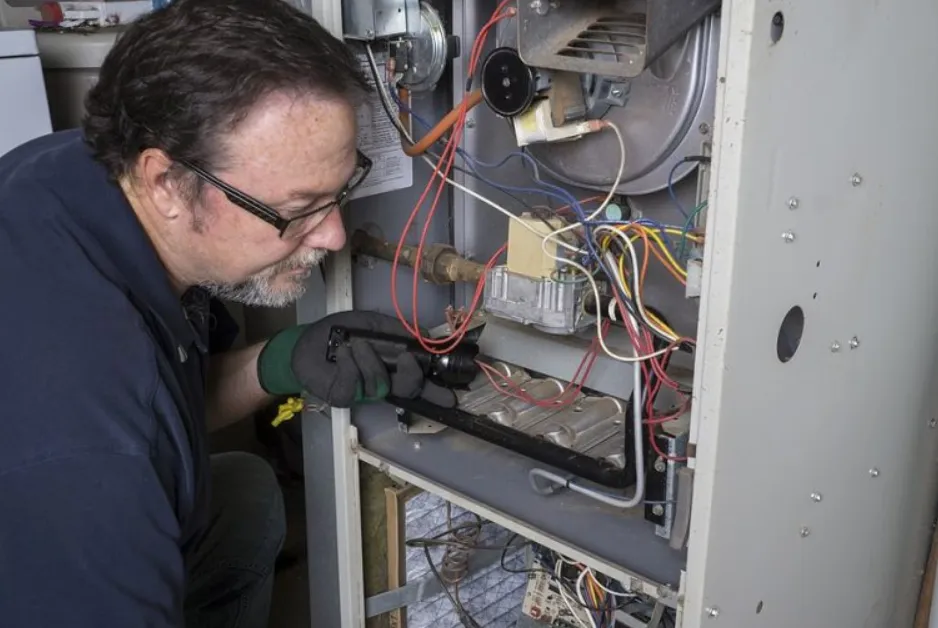
Airflow issues are among the most common causes of heating and cooling systems failing to deliver consistent comfort. Rooms that feel stuffy, vents with weak airflow, or temperature differences between floors often stem from airflow restrictions rather than equipment failure. HVAC contractors approach these issues methodically, focusing on how air moves through the system and the building itself. Instead of guessing, they rely on observation, measurement, and system knowledge to identify what disrupts proper circulation. A structured troubleshooting process helps restore balance, improves comfort, and prevents unnecessary strain on system components over time.
Understanding Airflow Problem Solving
- Recognizing Early Signs of Airflow Imbalance
HVAC contractors begin troubleshooting by identifying early indicators that airflow is not behaving as intended. These signs may include uneven room temperatures, excessive dust buildup, or vents that deliver inconsistent air pressure. Such symptoms often suggest restrictions, leaks, or design mismatches rather than equipment breakdowns. Contractors evaluate how long the issue has existed and whether it changes with seasons or usage patterns. In many cases, homeowners contact companies like Quality HC after noticing comfort inconsistencies that persist despite thermostat adjustments. Recognizing these warning signs early allows airflow issues to be addressed before they escalate into larger system concerns or increased energy use.
- Assessing Ductwork and Air Pathways
Ductwork is the primary pathway for conditioned air, making it a central focus during airflow troubleshooting. HVAC contractors inspect ducts for obstructions, disconnections, or sections that restrict flow due to poor layout or damage. Even small gaps or collapsed sections can significantly reduce airflow to certain areas. Contractors also consider duct sizing, as improperly sized ducts may struggle to deliver adequate air volume. This assessment helps determine whether airflow issues stem from physical barriers or distribution limitations within the system.
- Measuring Air Pressure and System Balance
After visual inspections, HVAC contractors often measure static pressure within the system. Pressure readings indicate whether the blower is operating against blockages or a restrictive duct design. High pressure can indicate airflow bottlenecks, while low pressure may point to leaks or insufficient air return. These measurements help pinpoint where airflow is being lost or constrained. By understanding pressure dynamics, contractors can recommend targeted adjustments that improve circulation without altering the entire system.
- Evaluating Return Air and Vent Placement
Return air plays a vital role in maintaining airflow balance, yet it is often overlooked. HVAC contractors check whether return vents are properly sized and unobstructed. Furniture placement, closed doors, or undersized returns can restrict airflow and reduce system efficiency. Contractors also review supply vent placement to ensure air reaches occupied spaces effectively. Adjusting vent angles or adding returns may resolve comfort issues without major system changes. This evaluation helps restore circulation loops, allowing air to move freely throughout the building.
- Identifying Environmental and Structural Influences
Airflow is influenced not only by mechanical components but also by the building’s structure. Insulation gaps, wall cavities, and attic conditions can affect how air moves and escapes. HVAC contractors consider these factors during troubleshooting, especially in older buildings where modifications may have altered airflow patterns. By accounting for environmental influences, contractors can distinguish between system-related issues and structural contributors. This distinction ensures that solutions address the root cause of airflow disruption rather than merely masking symptoms.
- Implementing Targeted Adjustments
Once the source of airflow issues is identified, HVAC contractors focus on targeted solutions. These may include sealing duct leaks, adjusting dampers, rebalancing airflow, or recommending minor layout changes. The goal is to improve circulation without overcomplicating the system. Targeted adjustments reduce unnecessary runtime and help the system deliver air evenly across all areas. This approach supports comfort improvements while minimizing disruption and cost.
- Confirming Blower Performance and System Controls
Beyond ductwork and vent placement, HVAC contractors also evaluate the blower motor and system controls to ensure airflow is being generated and regulated correctly. A blower operating at incorrect speeds, struggling due to wear, or misconfigured within the system settings can lead to weak or inconsistent airflow even when ducts are clear. Contractors verify motor performance, fan speed settings, and control board configurations to confirm alignment with the system’s design requirements. In some cases, airflow issues stem from incorrect installer settings rather than mechanical failure. Verifying blower operation ensures the system delivers the correct air volume at the appropriate time, supporting balanced circulation and preventing unnecessary stress on heating and cooling components.
Restoring Balance Through Methodical Troubleshooting
HVAC contractors approach airflow troubleshooting by understanding how air moves through both the system and the building. By recognizing early signs, assessing ducts and returns, measuring pressure, and accounting for structural influences, they identify the true causes of airflow imbalance. Thoughtful adjustments restore circulation, reduce system strain, and enhance comfort without unnecessary changes. A methodical troubleshooting approach ensures airflow issues are resolved at their source, supporting reliable performance and consistent indoor conditions over time.