
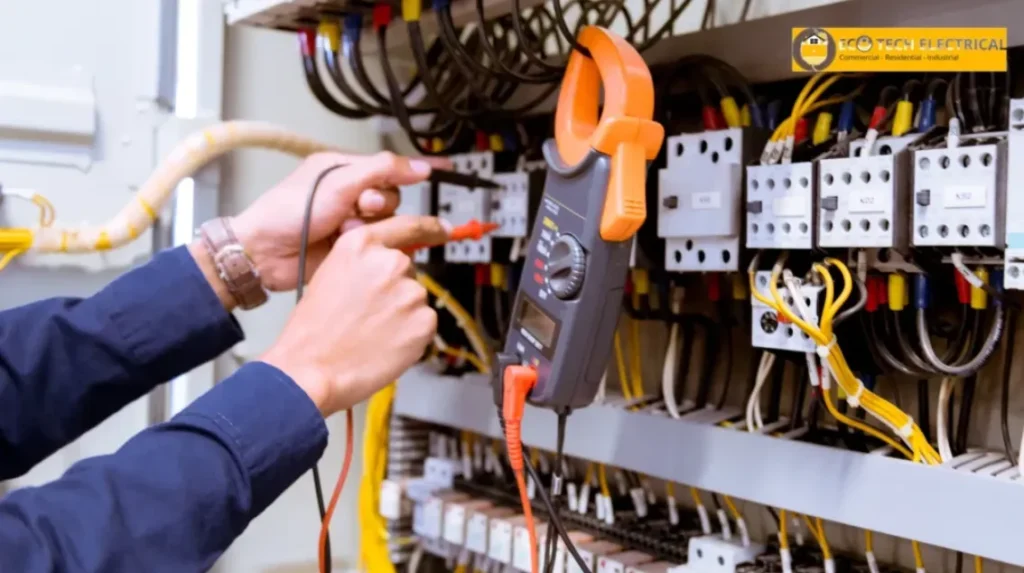
Commercial buildings run on electrical systems that are larger, more complex, and more regulated than those most homes require. From offices and retail stores to warehouses, restaurants, and medical spaces, electricity supports lighting, HVAC controls, security, data networks, machinery, and safety systems that must operate reliably every day. A commercial electrician works in this environment to install, maintain, diagnose, and upgrade electrical infrastructure to keep the building functional and compliant. The role involves planning, careful coordination with other trades, and a strong focus on safety procedures because commercial power demands can be high and downtime can be costly. Understanding what commercial electricians do helps business owners, property managers, and project teams communicate more clearly and set realistic expectations for scope, timelines, and outcomes.
Core Services and Daily Responsibilities
- Installation Work in New Builds and Tenant Fit-Outs
A major part of commercial electrical work involves installation during construction and remodeling projects. In new builds, electricians help translate plans into real systems by running conduit, pulling wire, installing panels, setting up grounding, and connecting circuits that power everything from lights to equipment. For tenant fit-outs, they adapt an existing space to suit a business’s needs, which might include adding circuits for workstations, upgrading lighting layouts, or wiring dedicated outlets for kitchen appliances, server racks, or industrial tools. Coordination matters because electrical work often overlaps with framing, drywall, HVAC, sprinkler systems, and ceiling installation. A commercial electrical contractor typically supports this process by managing labor, scheduling, material ordering, and site coordination to ensure the work aligns with the broader project timeline. Electricians also closely follow drawings and specifications, verifying circuit loads and placement requirements to reduce rework and prevent issues that arise only after a space is occupied.
- Power Distribution, Panels, and Load Management
Commercial electricians handle power distribution systems that are designed to support higher loads and more varied usage than residential systems. This includes installing and servicing electrical panels, subpanels, breakers, disconnects, and distribution equipment that feeds different zones of a building. Load management is a practical concern because commercial spaces may have heavy equipment, multiple HVAC units, or high-density lighting that can strain older infrastructure. Electricians calculate load requirements, balance circuits, and help prevent overheating, nuisance tripping, and voltage drop, which affect equipment performance. They also address grounding and bonding, which protect people and systems by providing a controlled path for fault current. In many buildings, distribution work includes coordinating shutdown windows, since power interruptions can disrupt operations. A commercial electrician carefully plans these changes, communicates the impact, and ensures the system is restored safely and correctly before normal activity resumes.
- Lighting Systems, Controls, and Energy Upgrades
Lighting is not just about visibility in commercial settings; it affects productivity, safety, and operating costs. Commercial electricians install interior and exterior lighting, including high-bay fixtures in warehouses, recessed lighting in offices, parking lot poles, signage lighting, and emergency egress lights. They also handle modern lighting controls, such as occupancy sensors, daylight-harvesting systems, dimming, timers, and centralized control panels, which allow facilities to manage usage patterns. Energy upgrades are common because businesses often want lower utility costs and improved light quality, especially when switching from older fluorescent or HID fixtures to LED solutions. Electricians ensure upgrades are compatible with existing wiring and controls, and they troubleshoot issues such as flicker, driver failures, and control mismatches. They may also coordinate with building management systems so that lighting and energy controls work smoothly with HVAC schedules. Proper installation and tuning can reduce wasted energy while creating a comfortable environment that meets code and safety requirements.
- Troubleshooting, Repairs, and Preventive Maintenance
When electrical issues interrupt operations, commercial electricians are often called to diagnose problems quickly and restore service safely. Troubleshooting can involve tracking down power loss to specific circuits, identifying faulty breakers, locating damaged wiring, or resolving issues with equipment connections. In commercial spaces, problems may also involve motor controls, relays, contactors, and control wiring tied to HVAC or production systems. Electricians use testing tools to measure voltage, continuity, insulation resistance, and load behavior to isolate the root cause rather than guessing. Preventive maintenance is another important part of the job scope, especially in buildings where downtime is expensive. Regular inspections can identify loose connections, heat damage, overloaded circuits, corrosion, or aging components before they fail. Maintenance may include tightening terminations, checking panel conditions, verifying emergency lighting and exit signs, and testing GFCI and AFCI protections where required. This approach improves reliability, reduces emergency calls, and supports safer building operation.
- Safety Systems and Code Compliance Responsibilities
Commercial electricians often work on systems that directly impact life safety. This can include emergency lighting, exit signage, fire alarm power support, smoke control interfaces, backup power connections, and other systems that must function correctly during emergencies. While specialized fire alarm programming may be handled by separate certified teams, electricians still play a major role in powering, routing, and protecting these systems. Code compliance is central in commercial work because requirements are strict and inspections are common. Electricians follow applicable electrical codes, local permitting requirements, and project specifications to ensure installations meet safety standards. They also label panels and circuits, maintain clear working space around electrical equipment, and ensure proper protection of wiring, especially in areas where moisture, chemicals, or physical damage pose risks. Compliance is not just paperwork; it affects how safe the building is for staff and customers and whether systems pass inspection without delays.
- Communication, Documentation, and Project Coordination
Commercial electrical work involves more than hands-on installation. Electricians and their teams communicate with general contractors, facility managers, engineers, and inspectors to confirm requirements and avoid conflicts. This includes reviewing plans, clarifying electrical loads, confirming equipment locations, and coordinating with other building systems so everything fits and functions as intended. Documentation matters as well. Accurate labeling, as-built notes, test results, and inspection readiness support long-term building maintenance and future upgrades. Commercial sites often require adherence to safety programs and site rules, including lockout/tagout procedures, PPE requirements, and controlled access areas. Electricians may also coordinate scheduled shutdowns, especially in buildings that must stay open, such as retail stores, clinics, or distribution centers. The ability to plan tasks, communicate clearly, and document changes helps prevent repeated troubleshooting later. For property owners and managers, good coordination often translates into smoother projects, fewer surprises, and clearer accountability when systems need service after installation.
A Practical Understanding for Business Owners
Knowing what a commercial electrician does helps business owners and property teams plan projects more realistically and protect their facilities. Commercial electrical work covers installation in new builds and remodels, power distribution and load management, lighting and control systems, repairs and maintenance, and safety-focused responsibilities tied to compliance. The job scope is shaped by the building’s purpose, the equipment within it, and the importance of uptime to daily operations. A reliable electrical setup keeps workspaces productive, reduces safety risks, and supports growth when businesses expand or change layouts. When owners understand the full range of services and responsibilities, they can communicate needs more clearly, budget more accurately, and schedule work to minimize disruption. In the end, commercial electrical work is about keeping complex buildings running safely and consistently, day after day.