
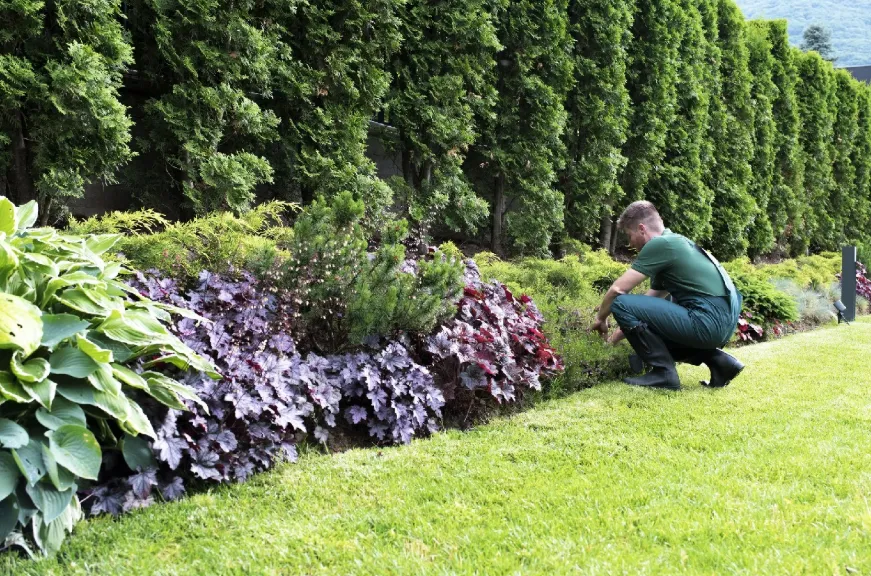
A backyard is a dynamic environment that constantly evolves with the turning of the seasons. To ensure it remains a functional sanctuary year-round, homeowners must adopt a proactive maintenance strategy rather than a reactive one. Neglecting tasks in one season often leads to compounded problems in the next, resulting in expensive repairs and overgrown landscapes. A comprehensive readiness plan breaks down yard care into manageable seasonal activities, ensuring that your outdoor space is always prepared for enjoyment. By anticipating the needs of your landscape and equipment, you can minimize stress and maximize the longevity of your property.
Spring: Awakening and Preparation
Spring is the season of renewal, but it is also the busiest time for yard work. The goal during these months is to clear away the remnants of winter and prepare the foundation for vigorous growth. Start by conducting a thorough inspection of the entire property. Winter storms may have damaged tree limbs, fences, or hardscaping elements like patio pavers. addressing these structural issues early prevents safety hazards and keeps small repairs from becoming major projects.
Revitalizing the Lawn and Garden
Once the debris is cleared, turn your attention to the soil. The freeze-thaw cycle can cause soil compaction, which suffocates grass roots. Spring is the ideal time to aerate the lawn, allowing oxygen, water, and nutrients to penetrate deep into the ground. Follow this with a balanced fertilizer application to encourage green-up. In the garden beds, remove dead foliage from perennials and prune summer-blooming shrubs. Adding a fresh layer of mulch now will suppress weeds before they have a chance to germinate and will help retain soil moisture as the temperatures rise.
Inspecting Water Systems
Before the heat arrives, it is critical to ensure your watering infrastructure is operational. Check hoses for cracks and inspect spigots for leaks. If you rely on an automated setup, run a test cycle to verify that all zones are covering the intended areas. This is also the perfect time to upgrade to a modern irrigation system that utilizes smart technology. These systems can detect local weather patterns and adjust watering schedules accordingly, ensuring that your awakening landscape receives precise hydration without the risk of overwatering or waste.
Summer: Maintenance and Enjoyment
As temperatures peak, the focus shifts from preparation to maintenance and enjoyment. The backyard becomes the center of daily life, hosting barbecues, pool parties, and quiet evenings. However, the intense heat and heavy foot traffic put significant stress on the landscape, requiring a consistent care routine to keep everything looking pristine.
Managing Pool Health
For homes with a swimming pool, summer is the season of heavy use. Keeping the water crystal clear requires diligence. Regularly testing water chemistry is non-negotiable to prevent algae blooms and skin irritation. Physical cleaning is equally important, as summer storms and active swimmers introduce debris into the water. To reduce the time spent skimming and scrubbing, many homeowners invest in the best pool cleaner available for their specific pool type. Robotic cleaners are particularly effective during this season because they operate independently, scrubbing floors and walls daily to remove contaminants. This automation ensures the pool is always ready for a swim, allowing you to focus on hosting rather than cleaning.
Protecting Plants From Heat Stress
Summer heat can be brutal on lawns and gardens. To protect your grass, raise the cutting height of your mower. Taller grass shades the soil, reducing evaporation and preventing weed seeds from sprouting. When watering, do so early in the morning to minimize evaporation loss. It is also important to monitor for pests and diseases, which thrive in warm, humid conditions. Catching an infestation of aphids or a patch of fungal disease early can save an entire garden bed from destruction.
Autumn: Protection and Cleanup
As the days shorten and temperatures cool, the backyard begins to wind down. Autumn is a critical transitional period where the work you do determines how well your yard survives the winter. The primary objective is to clean up falling debris and prepare plants for dormancy.
Managing Fallen Leaves
The most obvious task in autumn is managing leaves. While a few leaves can be mulched into the lawn to provide nutrients, a thick layer can smother the grass and invite mold. Regular raking or blowing is necessary to keep the lawn breathable. Do not neglect the pool during this time; as leaves fall, they can clog skimmers and sink to the bottom, causing stains. Keeping the pool covered when not in use becomes increasingly important as the foliage changes color.
Preparing for Winter Dormancy
Autumn is the best time to overseed the lawn, filling in any bare patches that developed during the summer. The cool air and warm soil create the perfect conditions for seed germination. For garden plants, cut back perennials that have finished blooming and dig up tender bulbs that cannot survive a freeze. It is also wise to drain water from hoses and blow out irrigation lines to prevent pipes from bursting when the ground freezes. Applying a final winterizer fertilizer helps grass store energy for the coming cold months, ensuring a quicker green-up next spring.
Winter: Monitoring and Planning
While the yard may look dormant in winter, it still requires attention. This season is about protection and planning. With the active labor of mowing and weeding on pause, you have the opportunity to focus on the structural and mechanical aspects of your backyard.
Protecting Equipment and Hardscapes
Snow and ice can be damaging to outdoor furniture and equipment. Store patio sets in a shed or cover them with heavy-duty, weather-resistant tarps. If you have a pool, ensure the winter cover is secure and pump off excess water from the top to relieve stress on the fabric. remove batteries from electronic yard tools and store them indoors to prolong their life. For hardscapes, avoid using harsh de-icing chemicals that can corrode concrete or kill nearby vegetation; opt for sand or safe alternatives instead to manage traction on icy walkways.
Planning for the Future
Winter is the ideal time to dream and plan for the year ahead. Use this downtime to research new landscape designs, look for sales on patio furniture, or schedule consultations for major projects like deck building or pool installation. reviewing what worked well in your garden and what failed allows you to make informed decisions for spring planting. ordering seeds and supplies now ensures you are ready to hit the ground running as soon as the frost thaws.
Conclusion
A year-round backyard readiness plan transforms outdoor maintenance from a chaotic series of chores into a structured, manageable lifestyle. By understanding the unique demands of each season—from the renewal of spring and the activity of summer to the cleanup of autumn and the quiet of winter—you can maintain a property that is both beautiful and resilient. This consistent care protects your investment, enhances your quality of life, and ensures that your backyard remains a welcoming retreat regardless of the time of year.